The gap between club soccer programs that develop players effectively and those that do not is rarely talent. It is information. The programs that consistently produce players who go on to compete at the college and professional level are the ones that understand each athlete's physical development with precision — and make decisions based on what they know rather than what they feel.
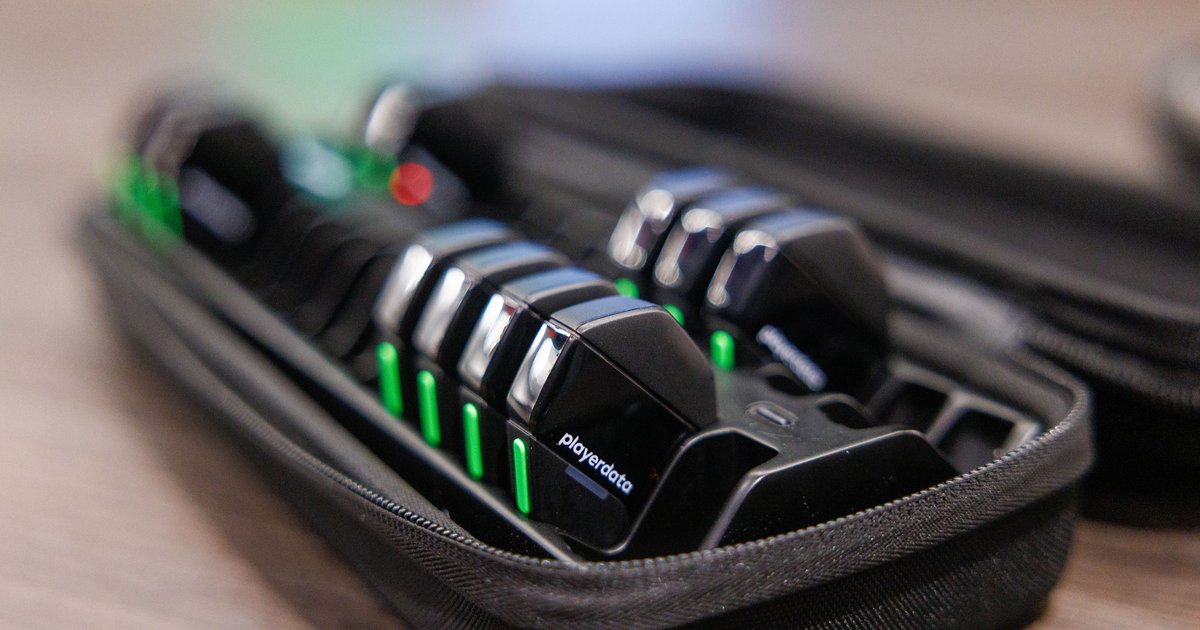
GPS tracking is how the best club soccer programs build that understanding. This article explains how elite club programs use GPS data to develop players more effectively across every phase of the season.
Building Individual Player Profiles Across a Full Season
The most valuable thing GPS tracking does for club soccer player development isn't only to measure a single session. It is to build a longitudinal record of each athlete's physical development across hundreds of sessions over multiple years.
A player profile built from GPS data shows whether an athlete is getting faster. Whether their high intensity running capacity is growing. Whether their workload tolerance is increasing. Whether they are developing the physical profile that the next level of competition demands.
This is information that no amount of visual observation can produce reliably. Two players of similar build may present similarly on the field. Their GPS profiles may reveal significant differences in physical development that are invisible to the coaching staff but critical to the athlete's trajectory.
Position-Specific Development in Club Soccer
Elite club soccer programs use GPS data to design position-specific development programs that prepare athletes for the physical demands of their role — not the generic demands of soccer as a sport.
A central midfielder in a high-press system covers different distances, makes different numbers of high-intensity efforts, and absorbs different deceleration loads than a wide defender in the same team. GPS data makes these positional differences visible and allows coaching and performance staff to prepare each position specifically for what the game asks of them.
This level of specificity was previously available only to professional clubs with full sport science departments. GPS tracking at the club level brings it within reach of any program willing to invest in the data.
Managing Load Across a Long Club Soccer Season
Elite club soccer seasons are physically demanding. Between league play, tournaments, showcases, and national events, the most competitive club programs may play sixty or more matches across a year. Managing the cumulative physical load of that schedule is one of the most important things a club program can do to protect athlete development.
GPS tracking makes that management possible. By monitoring weekly load totals, identifying spikes above established baselines, and tracking the relationship between training load and match load across the full season, club programs can keep their best players available and developing rather than managing injuries and recovery.
Using GPS Data to Support College Recruitment
College recruitment is one of the primary goals of elite club soccer programs. GPS tracking has become a meaningful part of that process for programs that understand how to use it.
College coaches increasingly want objective physical data on recruits. Speed, high intensity running capacity, sprint counts, and workload tolerance give college programs a physical profile of a recruit that film cannot provide. Club programs that can present this data on behalf of their players are supporting recruitment in a way that programs without GPS cannot match.
The athlete-facing app dimension is equally important. Players who have been monitoring their own GPS data for multiple seasons arrive at college visits with self-knowledge and physical literacy that college coaches respond to positively. They know their numbers. They understand what the next level demands. They can speak to their own development with specificity.
Frequently Asked Questions
How do elite club soccer programs use GPS tracking for player development?
Elite club soccer programs use GPS tracking to build longitudinal individual player profiles, design position-specific training programs, manage cumulative seasonal load, identify athletes approaching injury risk thresholds, and support college recruitment with objective physical data.
What GPS metrics are most important for club soccer player development?
The most important GPS metrics for club soccer player development are high intensity running distance, sprint distance and count, top speed, accelerations and decelerations, and workload score. Together they reveal whether an athlete is developing the physical profile required to compete at the next level.
How does GPS tracking help club soccer programs prevent injuries?
GPS tracking prevents injuries by making cumulative load visible across training and matches. Coaches can identify load spikes before they result in soft tissue injuries, manage the transition from off-season to preseason progressively, and monitor individual athlete recovery between competitive periods.
If you are a club soccer program director or coach evaluating GPS tracking and want to understand what a complete player development data system looks like, we would love to connect. Learn more about PlayerData for soccer.
See what GPS data can do for your soccer program
We'd love to show you what's possible with PlayerData.
Submit your information below to book a demo. We're ready when you are.
.png)