Does Your GPS System Work Indoors Without Additional Hardware?

Standard GPS stops working the moment players step inside a gym. Here is how IMU-based tracking captures indoor player load without antennas or beacons.
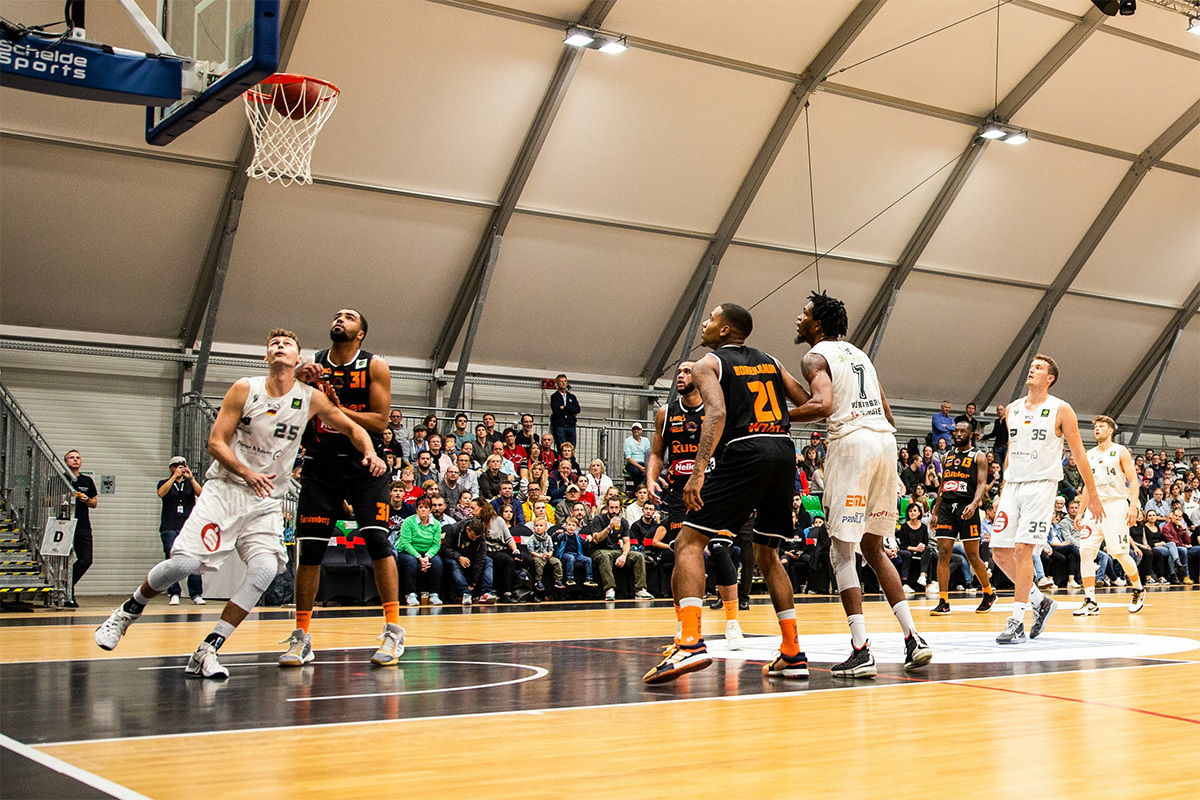
Indoor basketball game

If you coach basketball, futsal, volleyball, or any sport that trains primarily indoors, you’ve probably been told that GPS does not work inside. Well, that’s partially true, and that partial truth has cost coaches years of guesswork about player workload.

The real question is not whether GPS works indoors. It’s whether your tracking system works indoors.

Why Standard GPS Fails Indoors

Traditional GPS relies on satellite signals. Satellites cannot penetrate rooftops. So when players step inside a gym, the signal disappears, the data stops, and coaches are left with nothing but subjective observation.

Most wearable tracking companies built their products for outdoor field sports: soccer, rugby, Australian rules football. When those companies pitch basketball or volleyball coaches, they may lead with GPS. The problem is that GPS can’t function when you are training or playing inside.

What Indoor Tracking Requires

Accurate indoor player tracking requires sensors that don’t depend on satellite signals. The technology that fills this gap is the IMU: Inertial Measurement Unit.

An IMU measures movement through a combination of accelerometers and gyroscopes. It tracks acceleration, deceleration, direction change, and rotational force from within the device itself. No satellite required. No additional hardware required.

This means a device with a quality IMU can capture:

  • Distance covered estimates during practice or competition
  • Sprint and high-speed running efforts
  • Explosive accelerations and sharp decelerations
  • Jumps, including height and landing impact
  • Player load across every session

All of it, inside a gym, without installing a single antenna or beacon on the wall.

FREE WEBINAR: HOW UCONN, VANDERBILT, AND BUCKNELL USE PLAYERDATA FOR INDOOR PLAYER TRACKING

What 'Additional Hardware Required' Means

Some GPS vendors offer an indoor solution, but these require an installation of a local positioning system — a network of antennas or beacons mounted around the facility.

That means:

  • A costly installation project
  • Ongoing maintenance responsibilities
  • A system that only works in one specific location
  • Tracking that stops working the moment your team travels

For most programs at the club, high school, and college level, this isn’t a realistic option. The cost is prohibitive. The setup is complex. And the data only exists at home.

What to Ask Before You Evaluate Any Indoor Tracking System

  • Does the device use IMU-based tracking or does it require external infrastructure?
  • Will data collection work at away games and neutral site tournaments?
  • What metrics are tracked indoors?
  • Has the IMU data been validated against known benchmarks?

These questions separate systems that work indoors from systems that technically offer indoor tracking but only in narrow, expensive conditions.

The Standard Your Indoor Data Should Meet

Your tracking system should work the same way in your environment. The device should not change. The workflow should not change. And the data quality should not drop.

When coaches evaluate tracking technology for indoor sports, they should expect continuous session data from the moment practice starts to the moment it ends without gaps or workarounds.

If the answer to 'does this work indoors?' involves buying additional equipment or limiting use to specific venues, that’s not a solution. That’s a compromise.

Frequently Asked Questions

Does GPS work indoors for basketball?

Standard GPS does not work indoors because it relies on satellite signals that cannot penetrate building rooftops. Tracking systems designed for indoor use rely on IMU technology — accelerometers and gyroscopes — rather than satellites, so no additional hardware is needed.

LEARN MORE ABOUT PLAYERDATA BASKETBALL

What is an IMU in a GPS tracker?

An IMU, or Inertial Measurement Unit, is a sensor that measures movement using accelerometers and gyroscopes. It tracks speed, acceleration, deceleration, and load without requiring satellite connectivity, making it the core technology behind accurate indoor player tracking.

Do I need to install antennas for indoor player tracking?

Only if your tracking system relies on a local positioning network. Devices that use IMU-based tracking do not require any facility hardware. They collect data in any indoor environment, including away venues and neutral site tournaments.

What player load metrics can be captured indoors?

With IMU-based tracking, you can capture distance, high-speed efforts, accelerations, decelerations, jumps, and overall player load — the same metrics available outdoors. There is no reduction in data quality when moving from outdoor to indoor environments.

Which sports benefit most from indoor player tracking?

Basketball, volleyball, and futsal are examples of sports where indoor tracking provides the most value. Any program that trains primarily in a gym and wants objective workload data benefits from a system that does not depend on GPS satellites.

Can I track IMU data live?

Yes, IMU-based tracking systems like PlayerData support live data that displays player speed, effort, and load in real time during a session, not just in post-session reports. This means a coach can see current intensity levels on a phone or tablet while practice is in progress and make adjustments on the fly. Live IMU data is particularly useful for monitoring high-speed efforts and jump load in indoor environments where satellite GPS cannot function.

Learn More

PlayerData tracks players indoors and outdoors using the same device, the same app, and the same workflow. No additional hardware. No installation. Visit playerdata.com/en-us/learnmore to see how it works.

‍

See what player tracking can do for your indoor program

We'd love to show you what's possible with PlayerData.

Submit your information below to book a demo. We're ready when you are.

‍

‍

Does Your GPS System Work Indoors Without Additional Hardware?

September 28, 2026
Indoor basketball game

If you coach basketball, futsal, volleyball, or any sport that trains primarily indoors, you’ve probably been told that GPS does not work inside. Well, that’s partially true, and that partial truth has cost coaches years of guesswork about player workload.

The real question is not whether GPS works indoors. It’s whether your tracking system works indoors.

Why Standard GPS Fails Indoors

Traditional GPS relies on satellite signals. Satellites cannot penetrate rooftops. So when players step inside a gym, the signal disappears, the data stops, and coaches are left with nothing but subjective observation.

Most wearable tracking companies built their products for outdoor field sports: soccer, rugby, Australian rules football. When those companies pitch basketball or volleyball coaches, they may lead with GPS. The problem is that GPS can’t function when you are training or playing inside.

What Indoor Tracking Requires

Accurate indoor player tracking requires sensors that don’t depend on satellite signals. The technology that fills this gap is the IMU: Inertial Measurement Unit.

An IMU measures movement through a combination of accelerometers and gyroscopes. It tracks acceleration, deceleration, direction change, and rotational force from within the device itself. No satellite required. No additional hardware required.

This means a device with a quality IMU can capture:

  • Distance covered estimates during practice or competition
  • Sprint and high-speed running efforts
  • Explosive accelerations and sharp decelerations
  • Jumps, including height and landing impact
  • Player load across every session

All of it, inside a gym, without installing a single antenna or beacon on the wall.

FREE WEBINAR: HOW UCONN, VANDERBILT, AND BUCKNELL USE PLAYERDATA FOR INDOOR PLAYER TRACKING

What 'Additional Hardware Required' Means

Some GPS vendors offer an indoor solution, but these require an installation of a local positioning system — a network of antennas or beacons mounted around the facility.

That means:

  • A costly installation project
  • Ongoing maintenance responsibilities
  • A system that only works in one specific location
  • Tracking that stops working the moment your team travels

For most programs at the club, high school, and college level, this isn’t a realistic option. The cost is prohibitive. The setup is complex. And the data only exists at home.

What to Ask Before You Evaluate Any Indoor Tracking System

  • Does the device use IMU-based tracking or does it require external infrastructure?
  • Will data collection work at away games and neutral site tournaments?
  • What metrics are tracked indoors?
  • Has the IMU data been validated against known benchmarks?

These questions separate systems that work indoors from systems that technically offer indoor tracking but only in narrow, expensive conditions.

The Standard Your Indoor Data Should Meet

Your tracking system should work the same way in your environment. The device should not change. The workflow should not change. And the data quality should not drop.

When coaches evaluate tracking technology for indoor sports, they should expect continuous session data from the moment practice starts to the moment it ends without gaps or workarounds.

If the answer to 'does this work indoors?' involves buying additional equipment or limiting use to specific venues, that’s not a solution. That’s a compromise.

Frequently Asked Questions

Does GPS work indoors for basketball?

Standard GPS does not work indoors because it relies on satellite signals that cannot penetrate building rooftops. Tracking systems designed for indoor use rely on IMU technology — accelerometers and gyroscopes — rather than satellites, so no additional hardware is needed.

LEARN MORE ABOUT PLAYERDATA BASKETBALL

What is an IMU in a GPS tracker?

An IMU, or Inertial Measurement Unit, is a sensor that measures movement using accelerometers and gyroscopes. It tracks speed, acceleration, deceleration, and load without requiring satellite connectivity, making it the core technology behind accurate indoor player tracking.

Do I need to install antennas for indoor player tracking?

Only if your tracking system relies on a local positioning network. Devices that use IMU-based tracking do not require any facility hardware. They collect data in any indoor environment, including away venues and neutral site tournaments.

What player load metrics can be captured indoors?

With IMU-based tracking, you can capture distance, high-speed efforts, accelerations, decelerations, jumps, and overall player load — the same metrics available outdoors. There is no reduction in data quality when moving from outdoor to indoor environments.

Which sports benefit most from indoor player tracking?

Basketball, volleyball, and futsal are examples of sports where indoor tracking provides the most value. Any program that trains primarily in a gym and wants objective workload data benefits from a system that does not depend on GPS satellites.

Can I track IMU data live?

Yes, IMU-based tracking systems like PlayerData support live data that displays player speed, effort, and load in real time during a session, not just in post-session reports. This means a coach can see current intensity levels on a phone or tablet while practice is in progress and make adjustments on the fly. Live IMU data is particularly useful for monitoring high-speed efforts and jump load in indoor environments where satellite GPS cannot function.

Learn More

PlayerData tracks players indoors and outdoors using the same device, the same app, and the same workflow. No additional hardware. No installation. Visit playerdata.com/en-us/learnmore to see how it works.

‍

See what player tracking can do for your indoor program

We'd love to show you what's possible with PlayerData.

Submit your information below to book a demo. We're ready when you are.
‍

‍