How High School Football Coaches Are Using GPS Data to Win on Friday Nights

Friday night is decided by the preparation that preceded it. Here is how GPS data makes that preparation deliberate.
Friday night football

The difference between winning and losing high school football games is rarely decided on Friday night. It is decided in the preparation that preceded it, whether athletes arrived physically ready for what the game demanded, or whether accumulated fatigue from the week compromised their performance when it mattered most.

GPS tracking gives high school football programs the information to make that preparation deliberate rather than guesswork. Here is how the best high school football programs are using GPS data to perform better on game day.

Knowing What the Game Actually Demands

The first thing GPS tracking reveals for most high school football programs is a gap between what they thought the game demanded and what it actually demands.

A slot receiver in a spread offense may cover more high-intensity running distance in a single game than the entire strength staff estimated. A linebacker in a gap-control defense may produce more acceleration and deceleration load than any comparable position in the weight room. A defensive end may log sprint efforts that his off-season speed work never approached.

GPS game data makes those demands visible and specific. Once you know what the game actually asks of each position, you can prepare athletes for it deliberately.

Protecting Athletes Before Game Day

One of the most direct applications of GPS data to Friday night performance is managing the load athletes carry into game day.

Coaches who have game data know what a game costs their athletes physically. They can look at Wednesday and Thursday practice data and ask a precise question: is what we are doing this week preparing athletes for Friday, or is it adding to the load they will already be carrying?

Live data during practice makes that question answerable in real time. A strength coach who sees Wednesday's session approaching game-level intensity can pull back before the damage is done. Without data, the first indication of over-preparation is often poor performance on Friday or an injury that happens in the first quarter.

The Athlete App and Game Day Confidence

When players can see their own GPS data across the preparation week — their workload score, their sprint output, their high intensity running — they arrive at Friday night with a different kind of confidence. Not a feeling that they worked hard. A documented record that they did.

That kind of certainty changes how athletes perform in the moments that decide games. The player who knows they are physically ready executes differently than the player who hopes they are.

Frequently Asked Questions

How does GPS data improve high school football game day performance?

GPS data improves game day performance by ensuring athletes arrive physically prepared for what the game demands rather than carrying accumulated fatigue from over-preparation during the week. Coaches who know what a game costs each position group can design the preparation week to build toward that demand without exceeding it — protecting performance and reducing injury risk simultaneously.

Can GPS tracking help high school football coaches make in-game decisions?

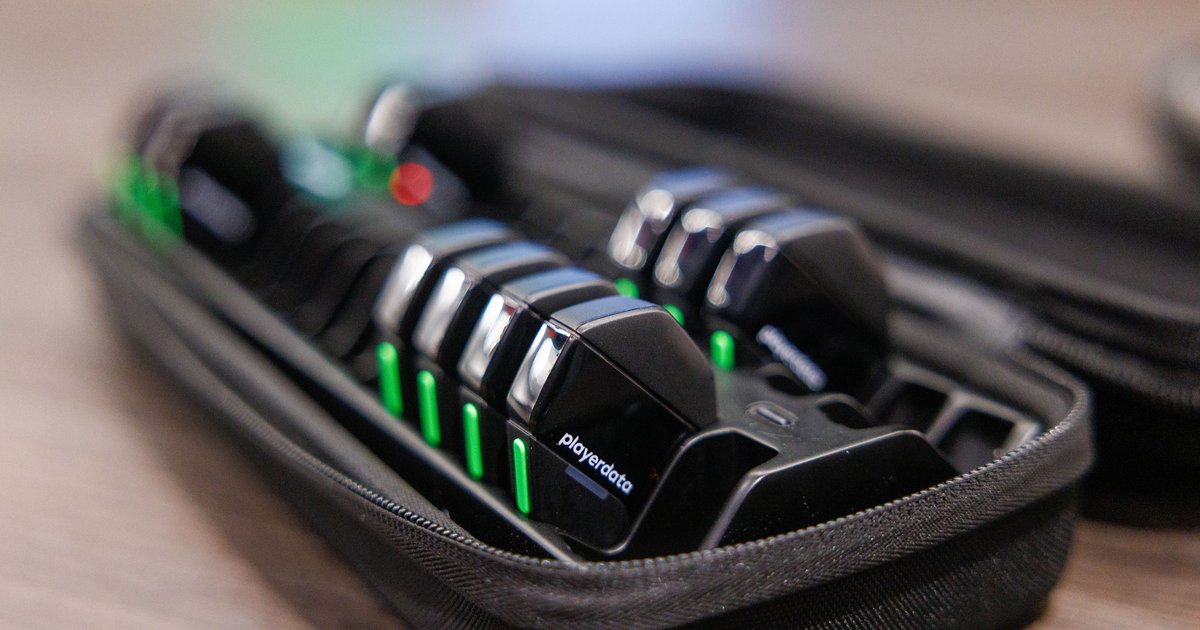
GPS tracking primarily supports preparation decisions rather than in-game substitution decisions at the high school level. The most impactful applications are in practice design across the week, monitoring load heading into game day, and building the physical profiles that tell coaches what each position group needs to perform at their best. However, with some GPS providers like PlayerData, you can track data live from the sidelines throughout a game to understand your players' in-game workloads.

How do high school football players benefit from seeing their own GPS data?

Athletes who see their own GPS data develop a more accurate understanding of their physical effort and capacity than athletes who rely entirely on coaching feedback. This self-knowledge changes how they approach preparation and produces a confidence on game day that comes from documented readiness rather than subjective belief.

If you are evaluating GPS trackers for your high school football program and want to understand how data-driven preparation changes what happens on Friday nights, we would love to connect. Learn more about PlayerData for football.

See what GPS data can do for your football program

We'd love to show you what's possible with PlayerData.

Submit your information below to book a demo. We're ready when you are.
How High School Football Coaches Are Using GPS Data to Win on Friday Nights

August 28, 2026
Friday night football

The difference between winning and losing high school football games is rarely decided on Friday night. It is decided in the preparation that preceded it, whether athletes arrived physically ready for what the game demanded, or whether accumulated fatigue from the week compromised their performance when it mattered most.

GPS tracking gives high school football programs the information to make that preparation deliberate rather than guesswork. Here is how the best high school football programs are using GPS data to perform better on game day.

Knowing What the Game Actually Demands

The first thing GPS tracking reveals for most high school football programs is a gap between what they thought the game demanded and what it actually demands.

A slot receiver in a spread offense may cover more high-intensity running distance in a single game than the entire strength staff estimated. A linebacker in a gap-control defense may produce more acceleration and deceleration load than any comparable position in the weight room. A defensive end may log sprint efforts that his off-season speed work never approached.

GPS game data makes those demands visible and specific. Once you know what the game actually asks of each position, you can prepare athletes for it deliberately.

Protecting Athletes Before Game Day

One of the most direct applications of GPS data to Friday night performance is managing the load athletes carry into game day.

Coaches who have game data know what a game costs their athletes physically. They can look at Wednesday and Thursday practice data and ask a precise question: is what we are doing this week preparing athletes for Friday, or is it adding to the load they will already be carrying?

Live data during practice makes that question answerable in real time. A strength coach who sees Wednesday's session approaching game-level intensity can pull back before the damage is done. Without data, the first indication of over-preparation is often poor performance on Friday or an injury that happens in the first quarter.

The Athlete App and Game Day Confidence

When players can see their own GPS data across the preparation week — their workload score, their sprint output, their high intensity running — they arrive at Friday night with a different kind of confidence. Not a feeling that they worked hard. A documented record that they did.

That kind of certainty changes how athletes perform in the moments that decide games. The player who knows they are physically ready executes differently than the player who hopes they are.

Frequently Asked Questions

How does GPS data improve high school football game day performance?

GPS data improves game day performance by ensuring athletes arrive physically prepared for what the game demands rather than carrying accumulated fatigue from over-preparation during the week. Coaches who know what a game costs each position group can design the preparation week to build toward that demand without exceeding it — protecting performance and reducing injury risk simultaneously.

Can GPS tracking help high school football coaches make in-game decisions?

GPS tracking primarily supports preparation decisions rather than in-game substitution decisions at the high school level. The most impactful applications are in practice design across the week, monitoring load heading into game day, and building the physical profiles that tell coaches what each position group needs to perform at their best. However, with some GPS providers like PlayerData, you can track data live from the sidelines throughout a game to understand your players' in-game workloads.

How do high school football players benefit from seeing their own GPS data?

Athletes who see their own GPS data develop a more accurate understanding of their physical effort and capacity than athletes who rely entirely on coaching feedback. This self-knowledge changes how they approach preparation and produces a confidence on game day that comes from documented readiness rather than subjective belief.

If you are evaluating GPS trackers for your high school football program and want to understand how data-driven preparation changes what happens on Friday nights, we would love to connect. Learn more about PlayerData for football.

See what GPS data can do for your football program

We'd love to show you what's possible with PlayerData.

Submit your information below to book a demo. We're ready when you are.