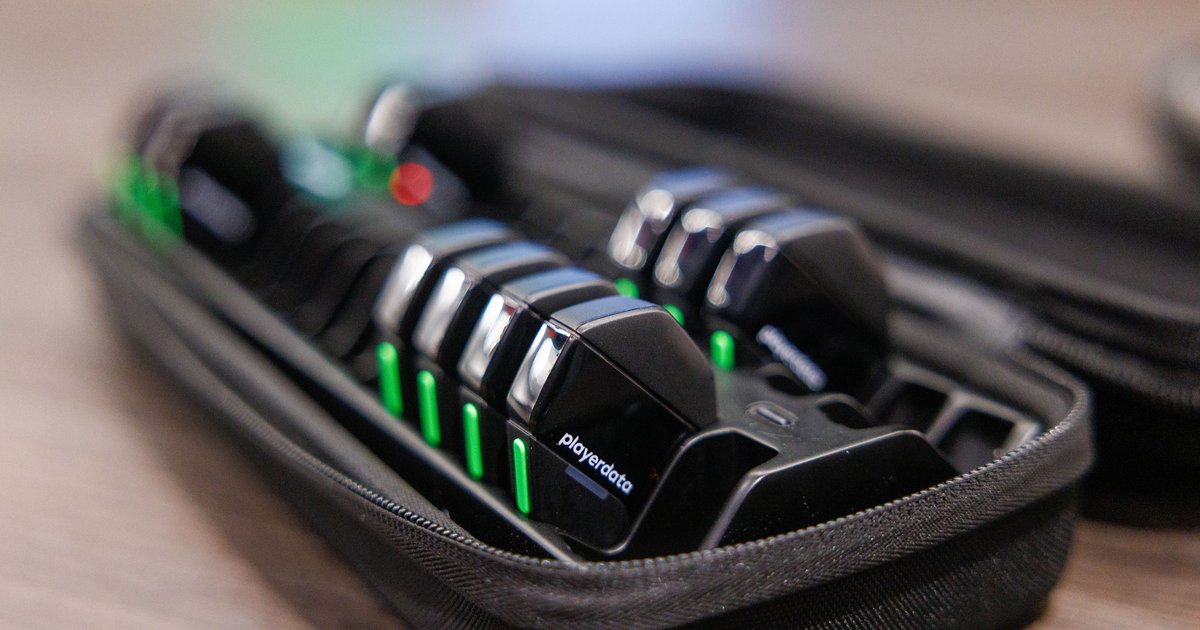
The most powerful thing a GPS tracker does for a high school soccer coach is not just measure how hard practice was. It reveals what a game actually demands — and shows whether your practice is building athletes toward those demands or falling short of them.
This is called building a game profile. And for high school soccer programs that have never had access to objective physical data, it changes how practice is designed from the ground up.
What a Game Profile Is and Why High School Soccer Coaches Need One
A game profile is the physical picture of what your team and individual players produce in real competition. It tells you how much distance a central midfielder covers in a typical game. How many sprints a wide forward makes. How many high-intensity accelerations a center back produces in ninety minutes.
Without this data, high school soccer coaches design practice based on what they think the game demands. With it, they design practice based on what the game actually demands — a fundamentally different foundation.
Building a game profile is straightforward. Collect GPS data across four to five matches across different types of opposition. Break down the outputs by position. What does your system ask of each position physically? The answers will tell you things about your own team that no amount of film study reveals.
How to Use a Game Profile to Design Better High School Soccer Practice
Once you have a game profile, practice design changes in specific and measurable ways.
Volume targets by position. If your slot midfielder covers an average of four kilometers of total distance in a game, your practice sessions across the week should build systematically toward that. Weeks with one game have different volume targets than weeks with two.
High intensity thresholds. If your wide forwards average 400 meters of high intensity running per game, practices should progressively expose them to that demand — not just in conditioning but in the game-based sessions that make up most of high school soccer practice.
Sprint maintenance. Top speed in soccer is a use-it-or-lose-it quality. Athletes who never sprint at high percentages of their maximum in practice will be slower in November than they were in September. GPS data tells you whether each athlete is reaching the sprint thresholds they need to maintain speed across the season.
Deceleration exposure. Some of the most common high school soccer injuries — hamstring strains, patellar tendon issues — are associated with repeated deceleration load. Your game profile tells you how many decelerations your athletes face per game. Your practice design should reflect that reality.
The Difference Between High School Programs That Use GPS and Those That Do Not
High school soccer programs using GPS tracking consistently describe the same shift. They stopped guessing at whether their preparation was right and started knowing. The confidence that comes from looking at the data before a playoff game and knowing that your athletes are physically ready — not just believing they are — changes how coaches carry themselves and how teams perform when the stakes are highest.
The programs that do not use GPS are not bad programs. They are programs making good decisions with incomplete information. GPS gives them the information they have been missing.
Frequently Asked Questions
What is a game profile in high school soccer GPS tracking?
A game profile is the physical picture of what your team and individual players produce in real competition — distance covered, high intensity running, sprint counts, accelerations, and decelerations by position. It is built by collecting GPS data across four to five matches and used to design practice sessions that systematically prepare athletes for the physical demands of competition.
How do high school soccer coaches use GPS data to design practice?
High school soccer coaches use GPS data to set position-specific volume and intensity targets for practice, ensure athletes reach sprint thresholds that maintain speed across a long season, manage deceleration exposure to reduce soft tissue injury risk, and verify that practice is delivering the physical preparation the game profile shows is necessary.
Can a high school soccer coach use GPS without a sports science background?
Yes. The best GPS systems for high school soccer are designed for coaches, not sport scientists. The most important insights — who hit their targets, who is carrying elevated load, who needs more high intensity work — are surfaced automatically in simple reports and dashboards that require no specialist knowledge to interpret.
Learn more about PlayerData for soccer.
See what GPS data can do for your soccer program
We'd love to show you what's possible with PlayerData.
Submit your information below to book a demo. We're ready when you are.
.png)