How Lacrosse Coaches Are Using GPS Data to Help Players Get Recruited

How documented GPS profiles help lacrosse recruits show physical readiness for the collegiate game.
Lacrosse college recruitment

College recruitment in lacrosse is more competitive than it has ever been. The sport has expanded significantly at the collegiate level over the past decade and the pool of athletes competing for roster spots at programs across Division I, Division II, and Division III has grown alongside it.

In that environment, the athletes who stand out are increasingly the ones who can demonstrate not just technical skill and lacrosse IQ but physical readiness for the demands of collegiate play. GPS tracking gives lacrosse players a way to demonstrate that objectively — and gives high school and club coaches a tool to support their best players in the recruitment process.

What College Lacrosse Coaches Want to Know About Recruits

College lacrosse coaches evaluating recruits want to understand whether a player can handle the physical demands of collegiate competition. The college game is faster than the high school game. The practice schedule is more demanding. The physical profile required to compete effectively at the next level is higher than what most high school programs produce.

GPS data addresses that question directly. Top speed in game conditions, high intensity running distance per game, sprint counts, and workload scores give college coaches an objective physical picture of a recruit that film cannot fully provide. A player who can demonstrate sustained high-speed output across a full game — not just in highlight clips but across a documented GPS record — is presenting evidence of physical readiness that most recruits cannot offer.

How High School and Club Lacrosse Programs Use GPS in Recruitment

Programs that use GPS tracking have begun incorporating data into how they support player recruitment in a way that creates a meaningful competitive advantage for their athletes.

Instead of describing a player's work rate to a college coach, they can show the numbers. Instead of talking about a player's speed, they can document it across multiple games under real competition conditions. For college coaches evaluating dozens of players at the same position with similar highlight packages, a player with a documented GPS profile stands out.

This matters most for players on the margin — athletes who are good enough to play at the next level but who have not yet attracted the attention their ability warrants. Objective physical data gives those players a concrete way to differentiate themselves in a competitive market.

Longitudinal Data Is the Most Compelling Recruitment Asset

A single game of GPS data is interesting. A full season of GPS data showing consistent physical output, progressive development, and workload management is compelling. A multi-season record showing increasing speed, growing high-intensity capacity, and improving workload tolerance is the most powerful physical evidence a lacrosse recruit can present.

Programs that track athletes with GPS across multiple seasons can present a physical development arc — not just where a player is, but where they are going — that no highlight reel, combine, or tryout can replicate.

Frequently Asked Questions

Can GPS data help lacrosse players get recruited?

Yes. College lacrosse coaches increasingly evaluate recruits against physical benchmarks. Players with documented GPS data showing their top speed, high intensity running capacity, and workload tolerance across a full season have a concrete advantage over recruits who can only offer film and subjective assessments of their physical profile.

What GPS metrics are most useful for lacrosse recruitment?

Top speed in game conditions, average high intensity running distance per game, sprint count, and workload score trends across a season are the most relevant metrics for lacrosse recruitment conversations. Together they give college coaches an objective physical profile and a basis for comparing a recruit against their program's physical requirements.

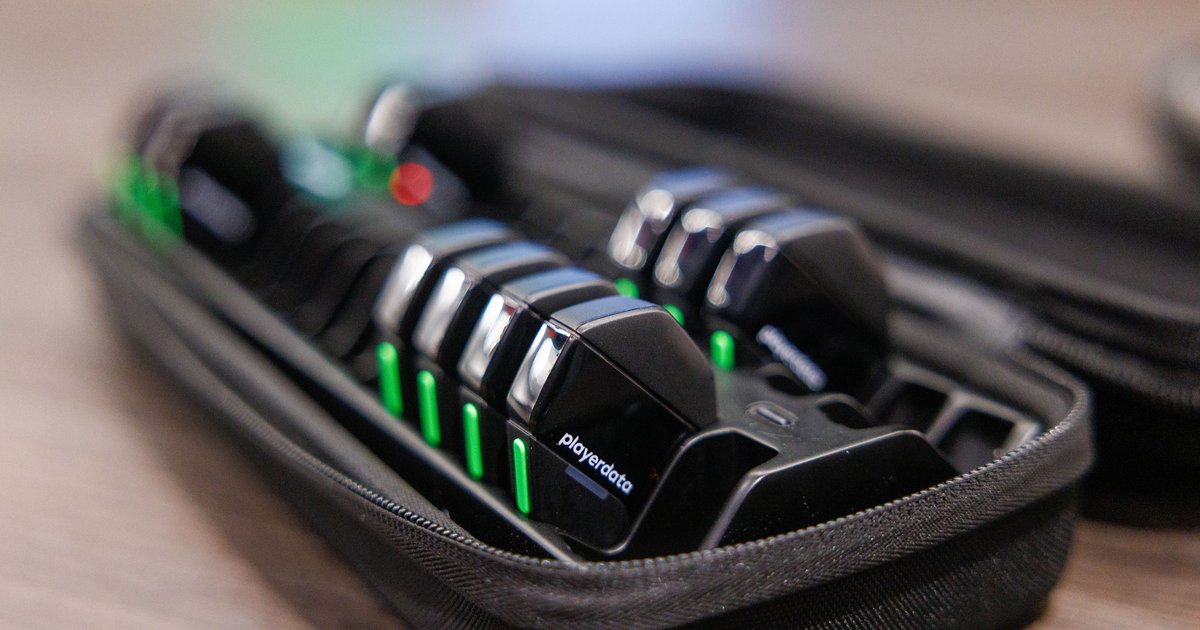
If you are a lacrosse program looking to use GPS tracking to support your players in the recruitment process, learn more about PlayerData.

See what GPS data can do for your lacrosse program

We'd love to show you what's possible with PlayerData.

Submit your information below to book a demo. We're ready when you are.

How Lacrosse Coaches Are Using GPS Data to Help Players Get Recruited

August 28, 2026
Lacrosse college recruitment

College recruitment in lacrosse is more competitive than it has ever been. The sport has expanded significantly at the collegiate level over the past decade and the pool of athletes competing for roster spots at programs across Division I, Division II, and Division III has grown alongside it.

In that environment, the athletes who stand out are increasingly the ones who can demonstrate not just technical skill and lacrosse IQ but physical readiness for the demands of collegiate play. GPS tracking gives lacrosse players a way to demonstrate that objectively — and gives high school and club coaches a tool to support their best players in the recruitment process.

What College Lacrosse Coaches Want to Know About Recruits

College lacrosse coaches evaluating recruits want to understand whether a player can handle the physical demands of collegiate competition. The college game is faster than the high school game. The practice schedule is more demanding. The physical profile required to compete effectively at the next level is higher than what most high school programs produce.

GPS data addresses that question directly. Top speed in game conditions, high intensity running distance per game, sprint counts, and workload scores give college coaches an objective physical picture of a recruit that film cannot fully provide. A player who can demonstrate sustained high-speed output across a full game — not just in highlight clips but across a documented GPS record — is presenting evidence of physical readiness that most recruits cannot offer.

How High School and Club Lacrosse Programs Use GPS in Recruitment

Programs that use GPS tracking have begun incorporating data into how they support player recruitment in a way that creates a meaningful competitive advantage for their athletes.

Instead of describing a player's work rate to a college coach, they can show the numbers. Instead of talking about a player's speed, they can document it across multiple games under real competition conditions. For college coaches evaluating dozens of players at the same position with similar highlight packages, a player with a documented GPS profile stands out.

This matters most for players on the margin — athletes who are good enough to play at the next level but who have not yet attracted the attention their ability warrants. Objective physical data gives those players a concrete way to differentiate themselves in a competitive market.

Longitudinal Data Is the Most Compelling Recruitment Asset

A single game of GPS data is interesting. A full season of GPS data showing consistent physical output, progressive development, and workload management is compelling. A multi-season record showing increasing speed, growing high-intensity capacity, and improving workload tolerance is the most powerful physical evidence a lacrosse recruit can present.

Programs that track athletes with GPS across multiple seasons can present a physical development arc — not just where a player is, but where they are going — that no highlight reel, combine, or tryout can replicate.

Frequently Asked Questions

Can GPS data help lacrosse players get recruited?

Yes. College lacrosse coaches increasingly evaluate recruits against physical benchmarks. Players with documented GPS data showing their top speed, high intensity running capacity, and workload tolerance across a full season have a concrete advantage over recruits who can only offer film and subjective assessments of their physical profile.

What GPS metrics are most useful for lacrosse recruitment?

Top speed in game conditions, average high intensity running distance per game, sprint count, and workload score trends across a season are the most relevant metrics for lacrosse recruitment conversations. Together they give college coaches an objective physical profile and a basis for comparing a recruit against their program's physical requirements.

If you are a lacrosse program looking to use GPS tracking to support your players in the recruitment process, learn more about PlayerData.

See what GPS data can do for your lacrosse program

We'd love to show you what's possible with PlayerData.

Submit your information below to book a demo. We're ready when you are.