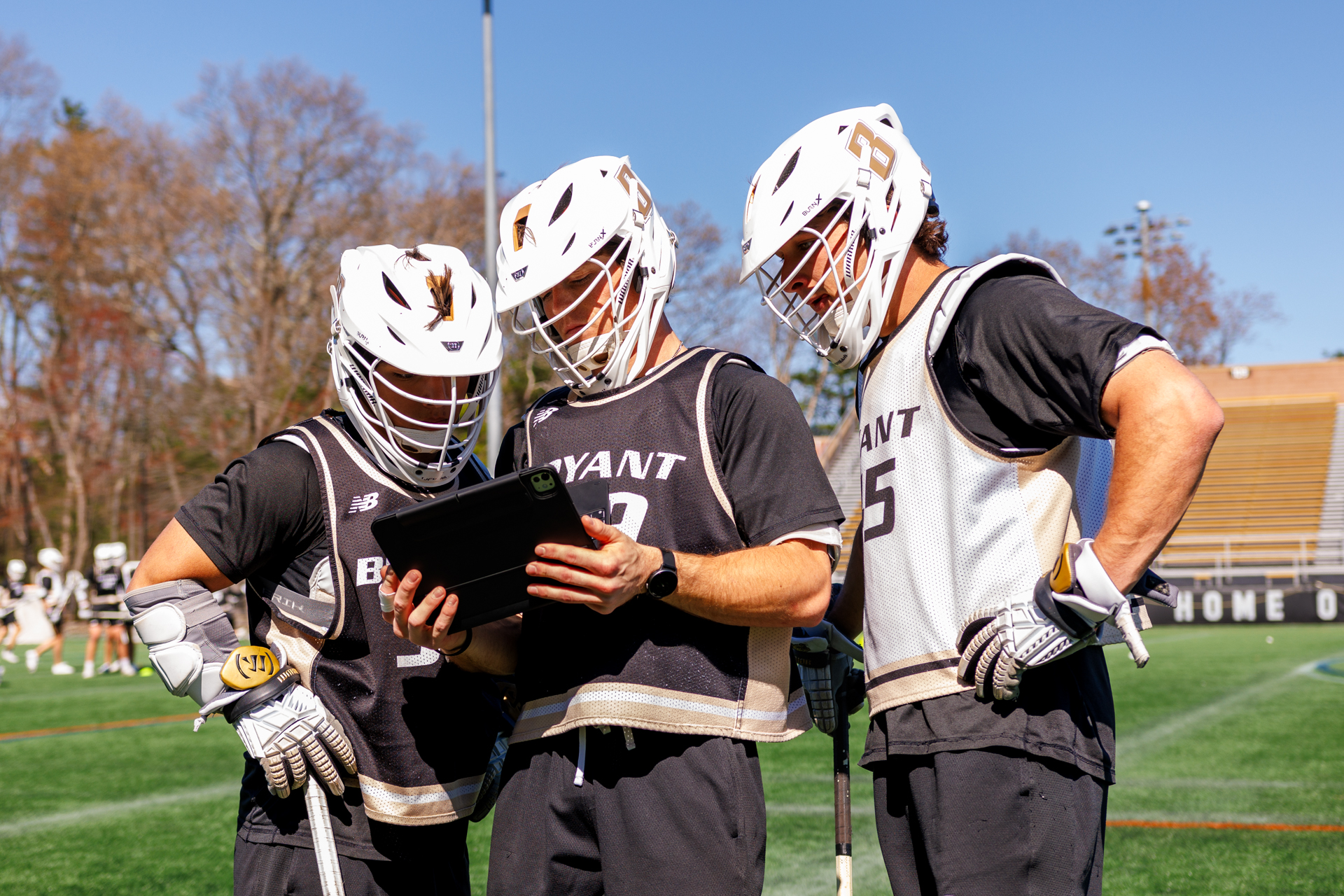
Lacrosse seasons are physically demanding and the schedules that elite programs navigate — particularly at the college and high school varsity level, create real injury risk that objective data can meaningfully reduce.
Most non-contact injuries in lacrosse are not random. They are the predictable result of physical load that exceeded what the athlete's body was prepared to absorb. The hamstring strain in the third quarter of a playoff game, the hip flexor issue that sidelines a midfielder in April, the soft tissue problem that costs a key attack player three weeks in the middle of conference play — these outcomes are often traceable to load management decisions made in the weeks preceding them.
GPS tracking gives lacrosse coaches the information to manage that load proactively rather than reactively.
The Load Management Problem in Lacrosse
Lacrosse presents specific load management challenges that GPS data addresses directly.
Tournament schedules create acute load spikes. A lacrosse tournament that asks athletes to play three games in two days creates a physical demand that bears almost no resemblance to the single-game week that preceded it. Without data, coaches have no way to quantify how significant that spike is for each individual athlete, or to design the training week that follows it in a way that accounts for the accumulated cost.
Position groups experience very different loads in the same game. An attack player in a fast-break offense may cover twice the high-intensity running distance of a long stick midfielder in the same game. Managing their recovery from competition differently is obviously correct, but without GPS data, the magnitude of that difference is not visible and the adjustment is based on assumption rather than evidence.
Multi-sport athletes carry load from other sports. At the high school level particularly, lacrosse players are often competing in or transitioning from winter sports. A midfielder coming off a basketball season is carrying different physical status into the first week of lacrosse practice than an athlete who has been training specifically for lacrosse since January. GPS data allows coaches to see that variation and adjust accordingly.
How to Build a Weekly Load Management System for Lacrosse
The most practical application of GPS tracking for lacrosse injury prevention is building a simple weekly monitoring metrics.
Before practice on Monday, check each player's data. Any player showing elevated numbers from the previous week's competition is a player who warrants more conservative preparation early in the week regardless of how they present visually.
After each session, check weekly high intensity running distance totals. Compare them to what your game profile data shows each position group typically produces in a full game. If weekly totals are significantly below game demands heading into a game, athletes may be underprepared for the physical reality of competition. If they are significantly above, fatigue is accumulating.
That two-check habit — implemented consistently across a full season — is enough to meaningfully reduce the soft tissue injury rate that most lacrosse programs accept as inevitable.
Session Targets: Making Practice Intent Measurable
One of the most impactful GPS features for lacrosse load management is session targets — the ability to set specific metric goals for a practice session before it begins and see in real time whether athletes are hitting those targets, falling short, or exceeding them.
A high day in lacrosse should actually be high. A recovery day should actually be low. Without GPS data, both of those are assumptions. Session targets make them verifiable — and give coaches the real-time information to adjust when a recovery day is drifting into high-intensity territory or when a deliberately demanding session is underdelivering.
Frequently Asked Questions
How does GPS tracking prevent injuries in lacrosse?
GPS tracking prevents injuries by making cumulative training load visible before it reaches dangerous levels. Coaches can monitor weekly load totals by position group, identify individual athletes carrying significantly more than their baseline, catch tournament-related load spikes before they manifest as soft tissue problems, and track recovery across the days following high-demand competition.
What GPS metrics should lacrosse coaches track for injury prevention?
The most important GPS metrics for lacrosse injury prevention are workload score, high intensity running distance, sprint distance, and acceleration and deceleration counts. Workload score synthesizes the overall physical demand on each athlete relative to their baseline. High intensity running distance tracks the accumulation most associated with soft tissue injury risk. Accelerations and decelerations capture the explosive directional change load that is most specific to lacrosse movement patterns.
Can GPS tracking help lacrosse programs manage tournament schedules?
Yes. Tournament schedules are one of the highest injury risk periods in lacrosse because of the acute load spike they create relative to regular season preparation. GPS data allows coaches to quantify exactly how much each athlete absorbed across a tournament weekend and design the following training week in a way that accounts for that load before the next competition.
If you are evaluating GPS tracking for your lacrosse program and want to understand what a complete load management system looks like for your team, learn more about PlayerData.
See what GPS data can do for your lacrosse program
We'd love to show you what's possible with PlayerData.
Submit your information below to book a demo. We're ready when you are.

.png)