Real Time API Access is Here

API Live gives elite programs real-time access to PlayerData GPS data during active sessions, so the custom dashboards, metrics, and workflows they have spent years building can finally run live.

At the highest level of performance, teams build systems. Custom metrics. Proprietary dashboards. Workflows refined over years. The technology they bring in has to fit inside that infrastructure, not replace it.

For a long time, one thing was always missing. Live data.

The Last Piece

GPS data has historically stayed locked inside the platform that collected it. Post-session exports. Delayed syncs. Manual pulls. For elite programs managing their own performance ecosystem, that creates a bottleneck. Every decision a staff wants to make during a session has to wait until after the session is over.

API Live removes that wait.

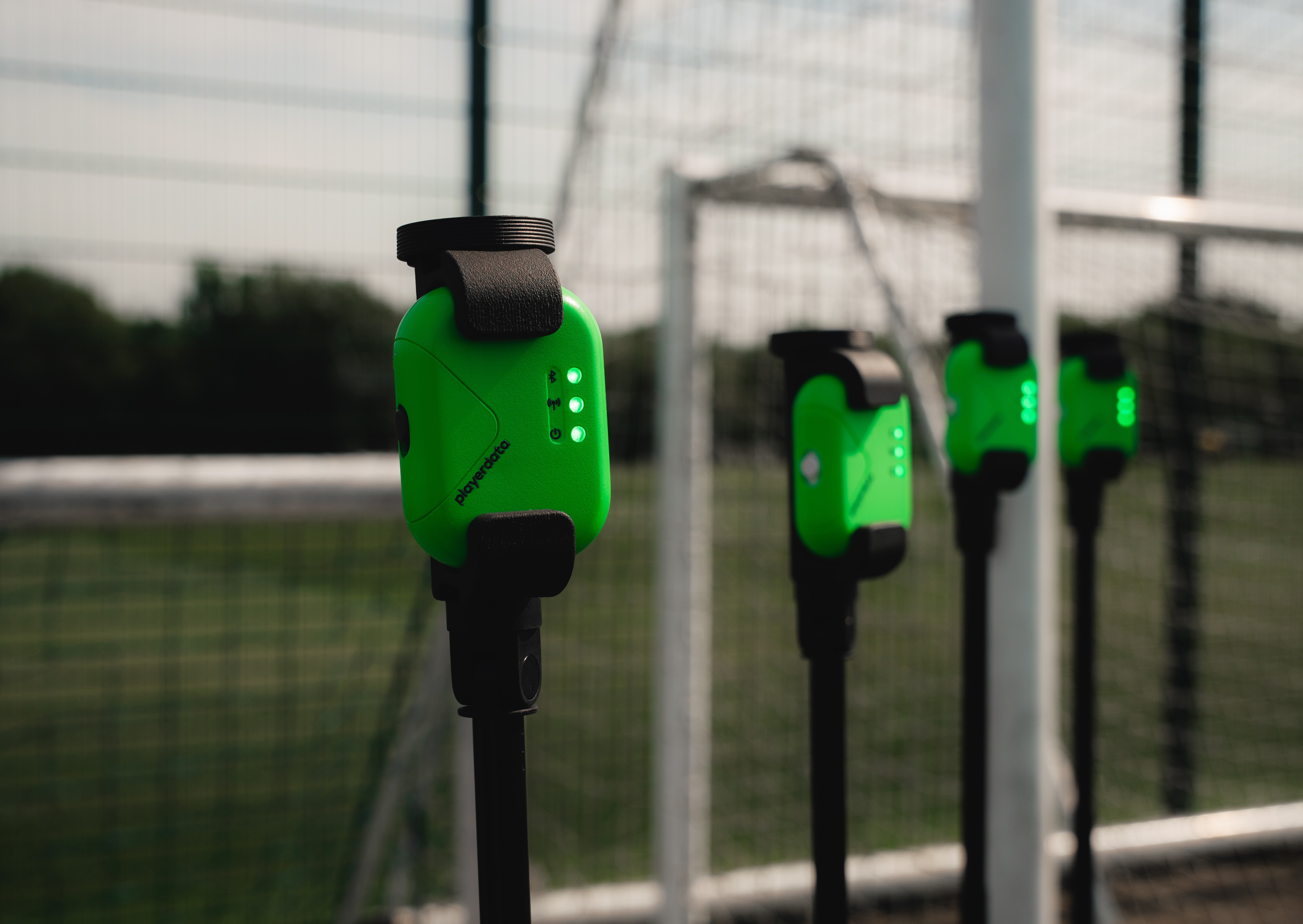
The moment data leaves a PlayerData unit, it's available in the API. Not after the session. During it. Your custom dashboard runs live because the data feeding it is live. The metrics your analysts built, the visualizations your coaches trust, and the alerts your medical staff relies on all update in real time while athletes are on the field.

Why GraphQL

Most GPS providers offer a REST API. PlayerData's API is built on GraphQL. For professional clubs managing interconnected performance ecosystems, that distinction is important.

Single-query data retrieval: Faster, simpler integrations
GraphQL pulls connected athlete, session, and GPS data in one request instead of requiring multiple REST endpoint calls. A practitioner can retrieve each player's load, wellness, medical status, and training availability simultaneously without stitching results together from several sources.

Precise field-level querying: Faster dashboards with less data
Clubs request only the exact metrics they need, reducing payload size, bandwidth usage, and processing time. A live training dashboard might pull player ID, current speed, and total distance without downloading complete athlete or session records which matters pitch-side on a mobile connection.

Strongly typed, extensible schema: Future-proof performance workflows
New metrics and data relationships can be added without creating new endpoints or forcing clubs onto a new API version. As analysts, medical staff, and coaches need different combinations of data over time, integrations with BI tools, athlete management systems, and internal dashboards can be built and adapted without waiting on the API provider.

GraphQL is not automatically superior to REST for every use case. GraphQL becomes most valuable when a club has interconnected data and multiple users needing different views of it simultaneously. And that's typically the environment elite football programs operate in.

Built for Programs That Have Earned This Problem

This feature isn't for every team. It's for programs that have already put in the work to build something specific, with the technical infrastructure to connect it and the performance staff sharp enough to act on it while a session is still running.

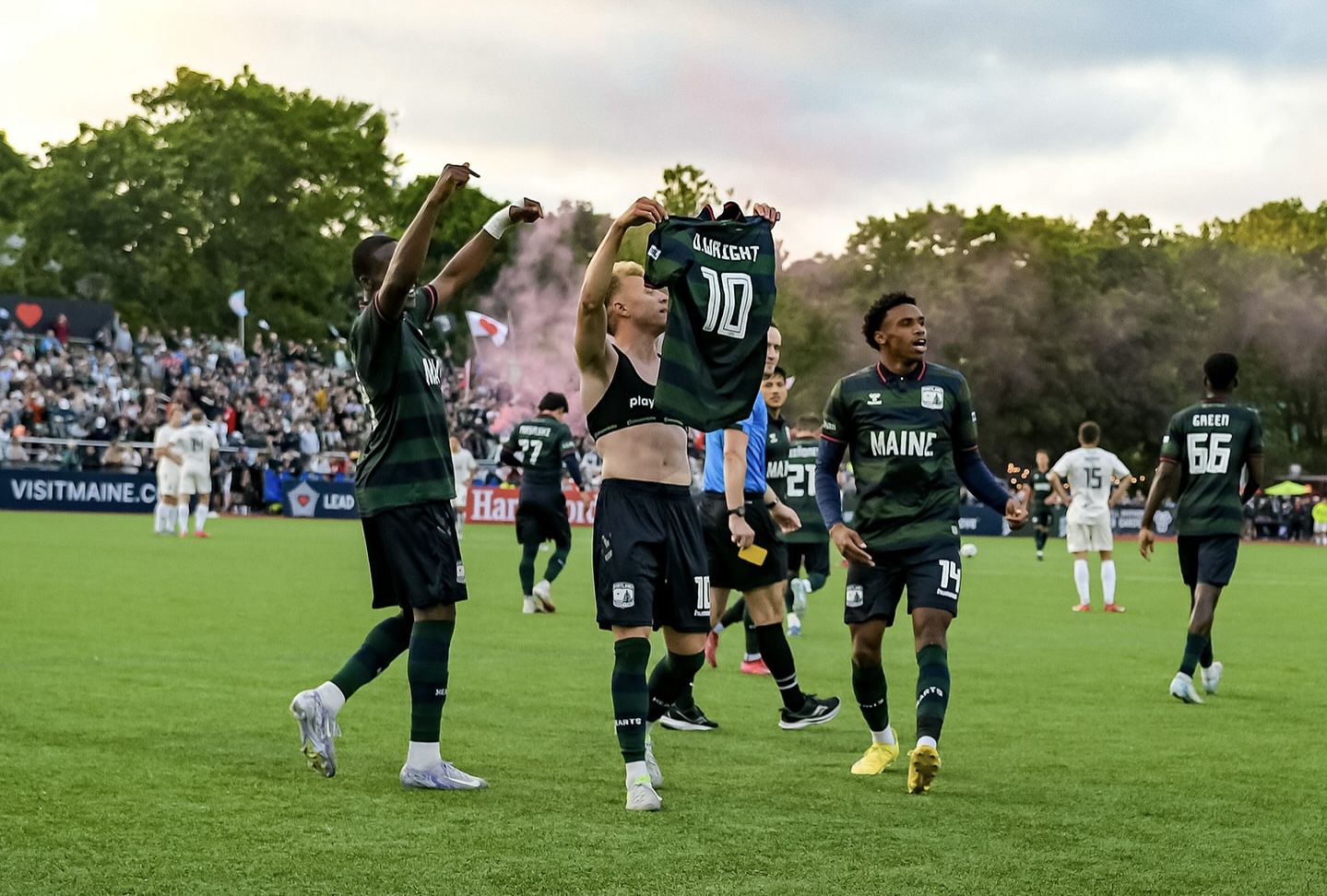
Programs running API Live today had existing systems they spent years refining. They weren't willing to walk away from that work. Now those systems run live. Atlanta United put it plainly: API Live changes the paradigm from reviewing what happened to shaping what is happening.

PlayerData has always believed the best technology should be accessible at every level. API Live is where that technology meets the teams operating at the very top of it.

Want to learn more about how PlayerData can help your program? Submit your information below.

Real Time API Access is Here

June 23, 2026
PlayerData API

At the highest level of performance, teams build systems. Custom metrics. Proprietary dashboards. Workflows refined over years. The technology they bring in has to fit inside that infrastructure, not replace it.

For a long time, one thing was always missing. Live data.

The Last Piece

GPS data has historically stayed locked inside the platform that collected it. Post-session exports. Delayed syncs. Manual pulls. For elite programs managing their own performance ecosystem, that creates a bottleneck. Every decision a staff wants to make during a session has to wait until after the session is over.

API Live removes that wait.

The moment data leaves a PlayerData unit, it's available in the API. Not after the session. During it. Your custom dashboard runs live because the data feeding it is live. The metrics your analysts built, the visualizations your coaches trust, and the alerts your medical staff relies on all update in real time while athletes are on the field.

Why GraphQL

Most GPS providers offer a REST API. PlayerData's API is built on GraphQL. For professional clubs managing interconnected performance ecosystems, that distinction is important.

Single-query data retrieval: Faster, simpler integrations
GraphQL pulls connected athlete, session, and GPS data in one request instead of requiring multiple REST endpoint calls. A practitioner can retrieve each player's load, wellness, medical status, and training availability simultaneously without stitching results together from several sources.

Precise field-level querying: Faster dashboards with less data
Clubs request only the exact metrics they need, reducing payload size, bandwidth usage, and processing time. A live training dashboard might pull player ID, current speed, and total distance without downloading complete athlete or session records which matters pitch-side on a mobile connection.

Strongly typed, extensible schema: Future-proof performance workflows
New metrics and data relationships can be added without creating new endpoints or forcing clubs onto a new API version. As analysts, medical staff, and coaches need different combinations of data over time, integrations with BI tools, athlete management systems, and internal dashboards can be built and adapted without waiting on the API provider.

GraphQL is not automatically superior to REST for every use case. GraphQL becomes most valuable when a club has interconnected data and multiple users needing different views of it simultaneously. And that's typically the environment elite football programs operate in.

Built for Programs That Have Earned This Problem

This feature isn't for every team. It's for programs that have already put in the work to build something specific, with the technical infrastructure to connect it and the performance staff sharp enough to act on it while a session is still running.

Programs running API Live today had existing systems they spent years refining. They weren't willing to walk away from that work. Now those systems run live. Atlanta United put it plainly: API Live changes the paradigm from reviewing what happened to shaping what is happening.

PlayerData has always believed the best technology should be accessible at every level. API Live is where that technology meets the teams operating at the very top of it.

Want to learn more about how PlayerData can help your program? Submit your information below.