A growing number of soccer analytics platforms are advertising GPS-level performance metrics — speed, distance, high intensity runs — derived entirely from camera footage. For clubs evaluating these tools, understanding what that claim actually means is essential before making a purchasing decision.
How Camera-Derived Metrics Work
Camera-based analytics systems use computer vision — AI trained to analyze video footage — to track player movement and estimate physical output. The camera watches the match, identifies players, follows their movement across the frame, and calculates speed and distance from that positional data.
The technology is impressive in what it claims it can do. It's also subject to limitations that do not apply to wearable GPS tracking, and those limitations matter significantly when the data is being used to inform athlete health and development decisions.
The Attribution Problem
The most significant limitation of camera-derived player tracking is player identification. Computer vision systems identify players from their visual appearance — jersey number, shirt color, build, and movement pattern. In ideal conditions, with clear footage and distinctive jerseys, this works reasonably well.
In real soccer conditions, it breaks down more than most clubs realize. Players of similar build wearing similar jerseys in a fast-moving match create identification ambiguity that AI systems cannot always resolve correctly. A player gets credited with a sprint that belonged to their teammate. A high intensity run gets attributed to the wrong jersey number.
When that data is used to assess individual player fitness, track individual development, or make decisions about individual training load, the attribution error compounds in ways that make the data unreliable for individual-level decisions.
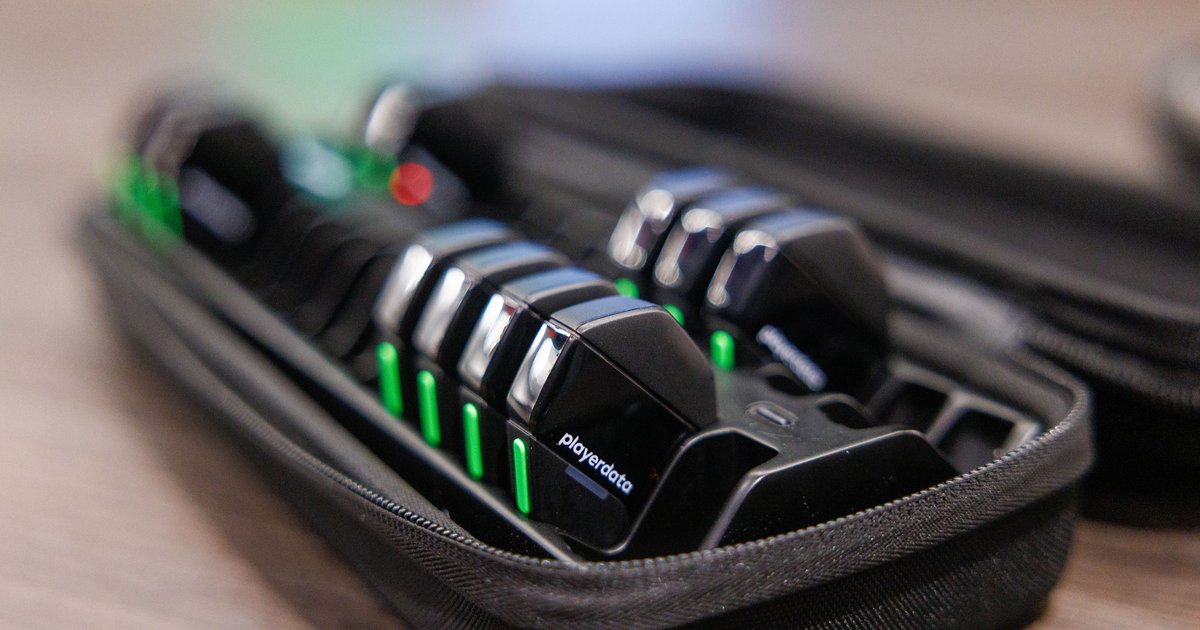
Wearable GPS eliminates this problem. A sensor worn on an athlete's body generates data that belongs to that athlete and only that athlete. There is no identification ambiguity. The data is certain.
The Validation Gap
Legitimate GPS tracking providers subject their technology to independent third-party validation. PlayerData, for example, is a FIFA Preferred Provider for Player Tracking — a designation that requires third-party testing against accuracy standards that FIFA has defined for professional player tracking applications.
The accuracy claims made by camera analytics platforms typically are not tested against an externally defined standard that a coach can reference when evaluating whether the data is reliable enough for the decisions they need to make.
This matters particularly for clubs using performance data in fitness management, injury prevention, or recruitment contexts. When the stakes of the data are high, the validation of the data matters as much as the data itself.
The Environmental Limitation
Wearable GPS is consistent across conditions. The sensor on an athlete's body produces accurate data regardless of weather, lighting, camera angle, or field conditions.
Camera-based tracking is not consistent across conditions. Poor lighting — overcast days, evening games with artificial floodlighting at certain angles, indoor facilities with fluorescent overhead lights — affects the quality of what the AI can extract from footage. Rain affects lens clarity. Crowded frames where multiple players are close together create identification challenges the AI does not always resolve correctly.
A data system that produces variable quality output depending on conditions is a data system that requires constant quality-checking before the data can be trusted for decisions. That overhead often exceeds what club staff can realistically manage.
What Camera Analytics Does Well
This article is not an argument against using camera technology in soccer. Video analysis is an enormously valuable tool for tactical review, player development, and recruitment.
The argument is specifically against treating camera-derived physical metrics as equivalent to GPS-derived physical metrics. They are different data types with different accuracy profiles, different validation histories, and different appropriate uses.
Camera analytics is a strong tool for what video does well — showing what happened, where it happened, and how players moved relative to each other. GPS wearables are the right tool for quantifying physical output accurately enough to make health, fitness, and load management decisions with confidence.
The best performance programs use both — and understand which data source to trust for which decision.
Frequently Asked Questions
Are camera-derived speed and distance metrics accurate for soccer?
Camera-derived metrics are estimates rather than measurements. Their accuracy depends on video resolution, player identification accuracy, camera placement, and environmental conditions — all of which vary across a soccer season. They typically are not validated to the same independent standard as GPS wearable data and should not be used as the primary data source for individual athlete load management or health decisions.
What is FIFA Quality certification for soccer player tracking and why does it matter?
FIFA Quality certification for player tracking is a third-party validated accuracy standard for GPS-based systems used in professional soccer. It requires independent accuracy testing against defined thresholds. For clubs using performance data to make athlete health and development decisions, this distinction is meaningful.
Can camera analytics be used alongside GPS tracking for soccer?
Yes. The best approach is to use each tool for what it does best. Camera analytics excel at tactical video review, match event analysis, and highlight creation. GPS wearables excel at physical load monitoring, individual athlete development tracking, and injury prevention. Used together they provide a complete picture that neither provides alone.
If you are evaluating camera or GPS tracking options for your soccer program and want to understand what the right solution looks like for your club, we would love to connect.
See what GPS data can do for your soccer club
We'd love to show you what's possible with PlayerData.
Submit your information below to book a demo. We're ready when you are.

.png)