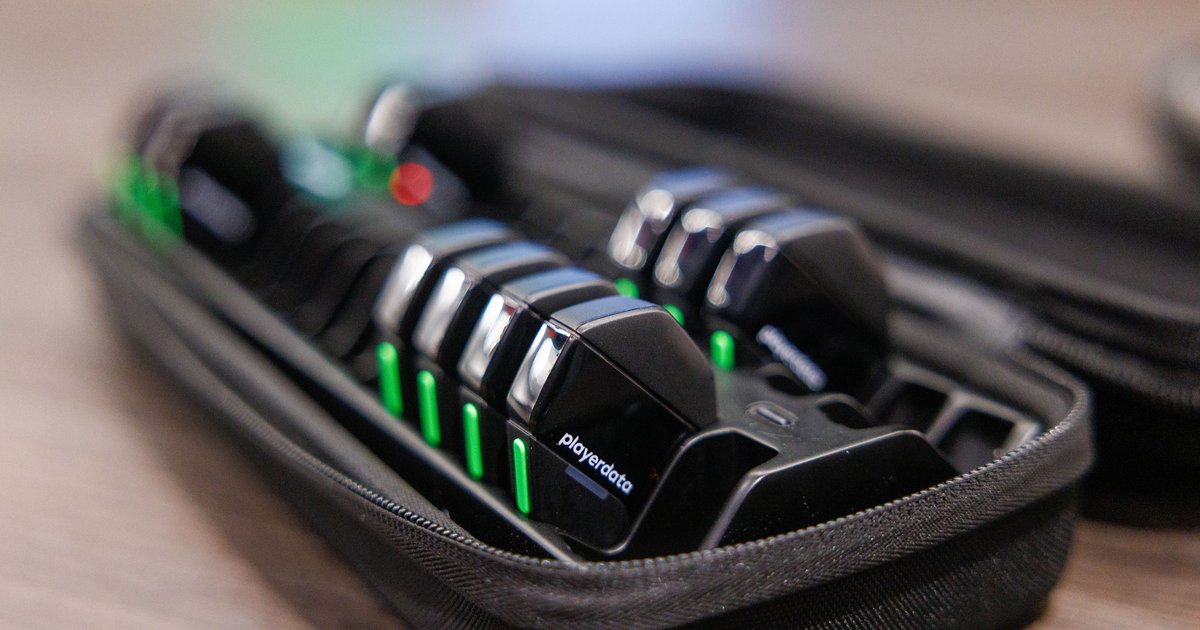
GPS Tracking for Club Soccer: Why Your Program Needs Training Data, Not Just Game Data

Match-only tracking captures roughly a fifth of an athlete's physical year. The rest is where injury risk lives.
Soccer training data

The most common misunderstanding about GPS tracking in club soccer is what it is primarily for. Most coaches think of GPS trackers as a tool for measuring what happens in games. But there's tremendous value in measuring what happens in training.

Here is why club soccer programs that only track games are missing the majority of the value GPS tracking provides.

Where the Physical Work Actually Happens

A competitive club soccer player may play sixty to eighty matches across a full year. They may participate in two hundred or more training sessions. The physical load that shapes their development, determines their injury risk, and builds their fitness for competition accumulates primarily in those training sessions — not in the matches. Plus, coaches have more control over what actually happens within a practice by how they design practice.

A GPS system that only captures game data is capturing approximately twenty percent of an athlete's physical activity. The eighty percent that happens in training — and that most directly determines both performance and injury risk — is invisible.

The Load Spike Problem

The most significant injury risk factor in club soccer is a spike in training load — a sudden increase in the physical demand athletes are exposed to that exceeds what their bodies were prepared to absorb.

Load spikes happen when clubs return from a break with intense preseason training. They happen when programs introduce a hard conditioning block after a light week. They happen when multi-sport athletes return to full club training while still carrying load from their school sport season.

Without training data, these spikes are invisible. Coaches cannot see them accumulating in real time. The first indication is often an injury that was entirely preventable.

What Training Data Makes Possible for Club Soccer Programs

When a club soccer program tracks GPS data in every training session, several capabilities become available that match-only data cannot provide.

Progressive preseason preparation. Building athletes systematically toward the physical demands of a competitive season requires knowing exactly what load they are absorbing across every training session.

Return-to-play management. Bringing an injured player back to full training requires progressively exposing them to increasing physical load across every session in the recovery window. Without training data, return-to-play is managed by time and feel. With it, it is managed by verified physical exposure.

Development tracking. Understanding whether a player is improving physically — getting faster, building high intensity capacity, increasing workload tolerance — requires a continuous data record from every session across months and years. Ultimately, it's a way to see if what you are doing as a coach is actually working.

Frequently Asked Questions

Why is GPS training data so important for club soccer?

Training data is important because athletes spend the majority of their physical activity in training rather than games. The load that most commonly precedes injury accumulates in training sessions. The development that improves performance happens in training. A system that only captures game data misses the majority of what GPS tracking is designed to measure.

Can club soccer coaches use GPS data during training sessions?

Yes. GPS systems with live data capability allow coaches to see load accumulating in real time during training — enabling in-session decisions about intensity and volume rather than discovering issues after the session has ended. With products like PlayerData, you can even set session targets for each segment of practice to ensure your training is on track.

If you are evaluating GPS tracking for your club soccer program and want to understand what a complete training and match data system looks like, we would love to connect. Learn more about PlayerData for soccer.

See what GPS data can do for your soccer program

We'd love to show you what's possible with PlayerData.

Submit your information below to book a demo. We're ready when you are.
GPS Tracking for Club Soccer: Why Your Program Needs Training Data, Not Just Game Data

August 28, 2026
Soccer training data

The most common misunderstanding about GPS tracking in club soccer is what it is primarily for. Most coaches think of GPS trackers as a tool for measuring what happens in games. But there's tremendous value in measuring what happens in training.

Here is why club soccer programs that only track games are missing the majority of the value GPS tracking provides.

Where the Physical Work Actually Happens

A competitive club soccer player may play sixty to eighty matches across a full year. They may participate in two hundred or more training sessions. The physical load that shapes their development, determines their injury risk, and builds their fitness for competition accumulates primarily in those training sessions — not in the matches. Plus, coaches have more control over what actually happens within a practice by how they design practice.

A GPS system that only captures game data is capturing approximately twenty percent of an athlete's physical activity. The eighty percent that happens in training — and that most directly determines both performance and injury risk — is invisible.

The Load Spike Problem

The most significant injury risk factor in club soccer is a spike in training load — a sudden increase in the physical demand athletes are exposed to that exceeds what their bodies were prepared to absorb.

Load spikes happen when clubs return from a break with intense preseason training. They happen when programs introduce a hard conditioning block after a light week. They happen when multi-sport athletes return to full club training while still carrying load from their school sport season.

Without training data, these spikes are invisible. Coaches cannot see them accumulating in real time. The first indication is often an injury that was entirely preventable.

What Training Data Makes Possible for Club Soccer Programs

When a club soccer program tracks GPS data in every training session, several capabilities become available that match-only data cannot provide.

Progressive preseason preparation. Building athletes systematically toward the physical demands of a competitive season requires knowing exactly what load they are absorbing across every training session.

Return-to-play management. Bringing an injured player back to full training requires progressively exposing them to increasing physical load across every session in the recovery window. Without training data, return-to-play is managed by time and feel. With it, it is managed by verified physical exposure.

Development tracking. Understanding whether a player is improving physically — getting faster, building high intensity capacity, increasing workload tolerance — requires a continuous data record from every session across months and years. Ultimately, it's a way to see if what you are doing as a coach is actually working.

Frequently Asked Questions

Why is GPS training data so important for club soccer?

Training data is important because athletes spend the majority of their physical activity in training rather than games. The load that most commonly precedes injury accumulates in training sessions. The development that improves performance happens in training. A system that only captures game data misses the majority of what GPS tracking is designed to measure.

Can club soccer coaches use GPS data during training sessions?

Yes. GPS systems with live data capability allow coaches to see load accumulating in real time during training — enabling in-session decisions about intensity and volume rather than discovering issues after the session has ended. With products like PlayerData, you can even set session targets for each segment of practice to ensure your training is on track.

If you are evaluating GPS tracking for your club soccer program and want to understand what a complete training and match data system looks like, we would love to connect. Learn more about PlayerData for soccer.

See what GPS data can do for your soccer program

We'd love to show you what's possible with PlayerData.

Submit your information below to book a demo. We're ready when you are.