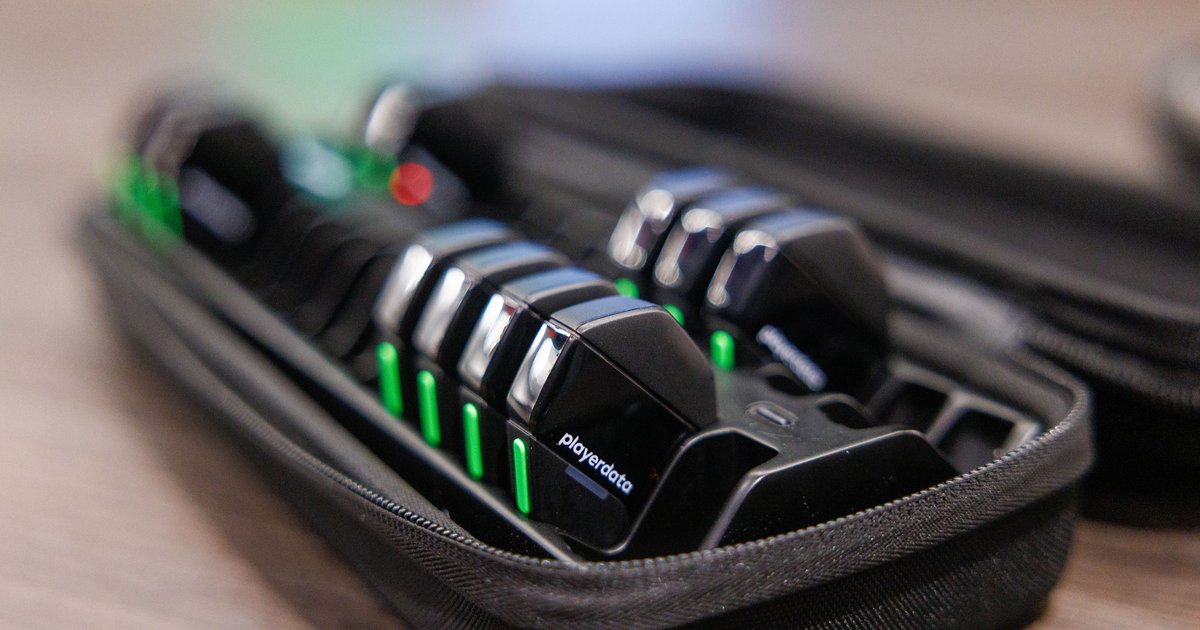
GPS trackers have become one of the most valuable tools available to soccer coaches at every level. Professional clubs use them. College programs use them. And increasingly, high school soccer programs are adopting them and seeing the same results: healthier players, better-prepared athletes, and more confident coaching decisions.
If you are a high school soccer coach wondering whether GPS tracking makes sense for your program, here is an honest answer.
The Case For GPS Tracking in High School Soccer
High school soccer programs face the same physical management challenges as professional programs — congested schedules, multi-sport athletes carrying load from other sports, players returning from injury who need progressive physical exposure — without the support staff that professional programs rely on to manage them.
GPS tracking gives a single high school coach the ability to do what professional performance teams do with data: know how hard each athlete worked, identify who is at risk before they get hurt, and prepare players for what the game actually demands of them.
The practical benefits are immediate. After the first session with GPS units on, coaches typically see something they did not expect — a player they thought was working hard who produced surprisingly low output, or a player they were concerned about who turns out to be the hardest worker on the field by every metric. That first revelation is where the value of GPS tracking becomes undeniable.
What High School Programs Say About GPS Tracking
High school programs that adopt GPS tracking describe the same experience. The data changes how coaches give feedback. It changes how players engage with practice. And it changes the culture around effort in ways that instruction alone cannot produce.
When players can see their own numbers — their speed, their distance, their workload — they become invested in improvement in a way that is different from responding to a coach's assessment. The data is objective. It cannot be argued with. And for high school athletes, seeing their own performance data for the first time is often a genuinely motivating experience.
The Practical Question: Is It Worth the Investment?
For most high school soccer programs, the question is not whether GPS tracking would help. It is whether the investment is justified by the results.
The answer depends on what you value. If keeping your best players healthy across a full season and into playoffs is a priority, GPS tracking pays for itself in the injuries it prevents. A single significant soft tissue injury to a key player at the wrong moment in the season has a cost that far exceeds the investment in a GPS system.
The best GPS systems for high school soccer are also significantly more accessible in price than they were five years ago. The same technology used by national federations and professional clubs is now available at a per-unit cost that fits within a typical high school athletic budget.
Frequently Asked Questions
Is GPS tracking worth it for high school soccer?
For high school soccer programs that prioritize player availability, development, and data-informed coaching decisions, GPS tracking delivers clear value. The most significant returns are in injury prevention — keeping key players healthy through a long season and into playoffs — and in the cultural shift that happens when players engage with their own performance data.
How difficult is GPS tracking to set up for a high school soccer team?
The best GPS systems for high school soccer require minimal setup — under thirty seconds per unit — and sync data automatically at the end of a session. No laptop, no technical expertise, and no sports science background is required.
If you're considering GPS tracking for your high school soccer program and want to understand whether it is the right fit, we would love to connect. Learn more about PlayerData for soccer.
See what GPS data can do for your soccer program
We'd love to show you what's possible with PlayerData.
Submit your information below to book a demo. We're ready when you are.
.png)