High School Football GPS Tracking: How Indoor and Outdoor Coverage Changes Your Off-Season

Winter conditioning, speed work and seven-on-seven are invisible to outdoor-only GPS. IMU tracking closes the gap.
Indoor football training

For most high school football programs, the off-season is where physical development actually happens. Spring ball, winter conditioning, weight room work, seven-on-seven — the months between the final playoff game and the first day of fall camp are when athletes build the fitness, strength, and speed that determine what they can do in September and October.

And for most high school football programs, that entire period is invisible to their GPS system.

Why Indoor Coverage Matters for High School Football

Traditional GPS tracking relies on satellite signals. Those signals do not penetrate indoor facilities — field houses, gymnasiums, covered turf facilities, and weight rooms. A GPS system that only works outdoors captures fall practice and games and nothing else.

High school football programs in colder climates may spend three to five months of their training year primarily indoors. Programs in any climate use indoor facilities for conditioning, speed work, and weight room sessions year-round. Without indoor tracking capability, all of that work — the most deliberate and programmable physical development a high school strength coach does — produces no data.

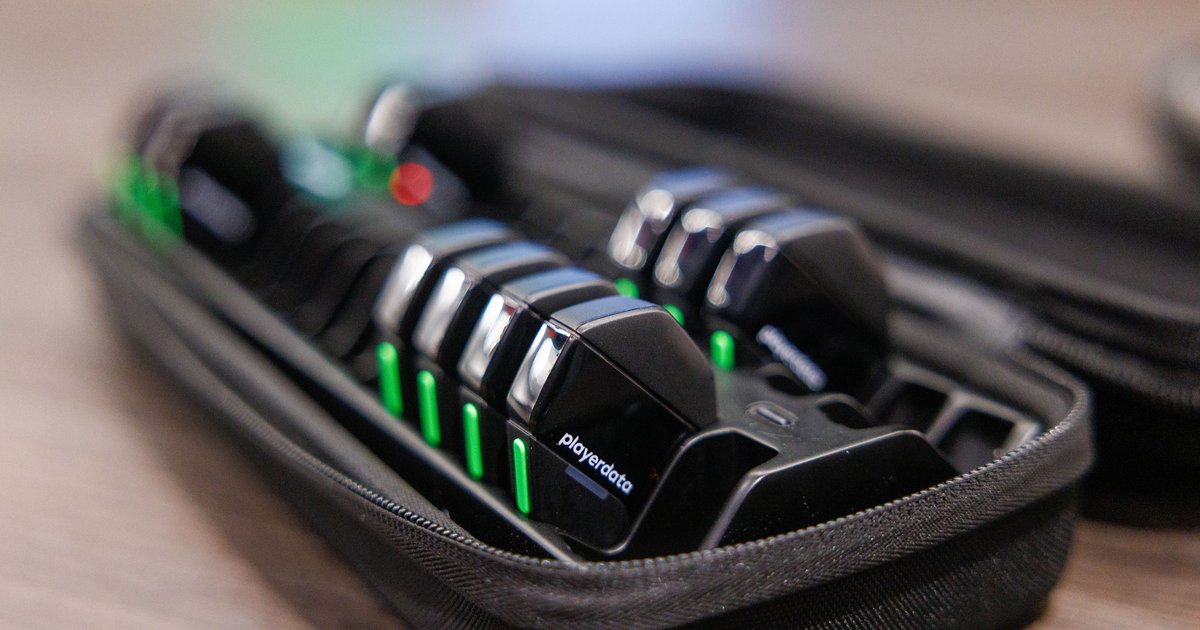
PlayerData captures speed and distance indoors through IMU technology — inertial measurement unit tracking built into every unit. The sensor measures movement directly from the athlete's body without needing a satellite signal. This allows you to track key metrics indoors, in every facility, without any additional infrastructure.

What Off-Season GPS Data Makes Possible

When a high school football strength coach can track indoor conditioning sessions, speed development work, and seven-on-seven sessions alongside outdoor practices and games, the complete physical picture of each athlete's year becomes available for the first time.

Progressive preseason preparation. Building athletes systematically from winter conditioning through spring ball to fall camp requires knowing what physical load they are absorbing across every session. Without that data, coaches make educated guesses about whether athletes are ready for fall camp. With it, they know.

Speed development verification. Speed work in the off-season is one of the most common and most impactful investments a high school football program makes. GPS data in indoor speed sessions tells coaches whether athletes are actually hitting the sprint intensities that develop speed — or whether sessions that feel productive are producing lower output than intended.

Return to play monitoring. Athletes returning from injury in the off-season need progressive physical exposure before returning to full team activities. GPS data across indoor sessions makes that progression objective and measurable rather than based on time and feel.

Frequently Asked Questions

Do GPS trackers for high school football work indoors?

Not all GPS trackers work indoors. Traditional GPS requires satellite signals that cannot penetrate indoor facilities. PlayerData uses IMU technology — inertial measurement unit tracking — to capture speed and distance data estimates indoors without satellite access. This means every conditioning session, speed development workout, and indoor practice contributes to the physical record rather than creating a gap in the data.

Why does indoor GPS tracking matter for high school football off-season preparation?

The off-season is where physical development happens in high school football. Programs that cannot track indoor sessions have no data on the conditioning, speed work, and movement training that determines what athletes can do in the fall. Indoor GPS tracking capability closes that gap and gives strength coaches a complete picture of each athlete's physical development across the entire year.

If you are evaluating GPS trackers for your high school football program and want to understand what complete year-round coverage looks like, we would love to connect. Learn more about PlayerData for football.

See what GPS data can do for your football program

We'd love to show you what's possible with PlayerData.

Submit your information below to book a demo. We're ready when you are.
High School Football GPS Tracking: How Indoor and Outdoor Coverage Changes Your Off-Season

August 28, 2026
Indoor football training

For most high school football programs, the off-season is where physical development actually happens. Spring ball, winter conditioning, weight room work, seven-on-seven — the months between the final playoff game and the first day of fall camp are when athletes build the fitness, strength, and speed that determine what they can do in September and October.

And for most high school football programs, that entire period is invisible to their GPS system.

Why Indoor Coverage Matters for High School Football

Traditional GPS tracking relies on satellite signals. Those signals do not penetrate indoor facilities — field houses, gymnasiums, covered turf facilities, and weight rooms. A GPS system that only works outdoors captures fall practice and games and nothing else.

High school football programs in colder climates may spend three to five months of their training year primarily indoors. Programs in any climate use indoor facilities for conditioning, speed work, and weight room sessions year-round. Without indoor tracking capability, all of that work — the most deliberate and programmable physical development a high school strength coach does — produces no data.

PlayerData captures speed and distance indoors through IMU technology — inertial measurement unit tracking built into every unit. The sensor measures movement directly from the athlete's body without needing a satellite signal. This allows you to track key metrics indoors, in every facility, without any additional infrastructure.

What Off-Season GPS Data Makes Possible

When a high school football strength coach can track indoor conditioning sessions, speed development work, and seven-on-seven sessions alongside outdoor practices and games, the complete physical picture of each athlete's year becomes available for the first time.

Progressive preseason preparation. Building athletes systematically from winter conditioning through spring ball to fall camp requires knowing what physical load they are absorbing across every session. Without that data, coaches make educated guesses about whether athletes are ready for fall camp. With it, they know.

Speed development verification. Speed work in the off-season is one of the most common and most impactful investments a high school football program makes. GPS data in indoor speed sessions tells coaches whether athletes are actually hitting the sprint intensities that develop speed — or whether sessions that feel productive are producing lower output than intended.

Return to play monitoring. Athletes returning from injury in the off-season need progressive physical exposure before returning to full team activities. GPS data across indoor sessions makes that progression objective and measurable rather than based on time and feel.

Frequently Asked Questions

Do GPS trackers for high school football work indoors?

Not all GPS trackers work indoors. Traditional GPS requires satellite signals that cannot penetrate indoor facilities. PlayerData uses IMU technology — inertial measurement unit tracking — to capture speed and distance data estimates indoors without satellite access. This means every conditioning session, speed development workout, and indoor practice contributes to the physical record rather than creating a gap in the data.

Why does indoor GPS tracking matter for high school football off-season preparation?

The off-season is where physical development happens in high school football. Programs that cannot track indoor sessions have no data on the conditioning, speed work, and movement training that determines what athletes can do in the fall. Indoor GPS tracking capability closes that gap and gives strength coaches a complete picture of each athlete's physical development across the entire year.

If you are evaluating GPS trackers for your high school football program and want to understand what complete year-round coverage looks like, we would love to connect. Learn more about PlayerData for football.

See what GPS data can do for your football program

We'd love to show you what's possible with PlayerData.

Submit your information below to book a demo. We're ready when you are.