Video has become one of the most powerful tools available to soccer clubs at every level. From MLS Next academies reviewing set pieces to club coaches sending highlight clips to college recruiters, the demand for reliable, high-quality match and training footage has never been greater.
But not all camera systems are created equal. The market is crowded with options that make similar promises: automated clipping, AI-powered analysis, player highlights, tactical breakdowns. The differences between them are not always obvious until after you have committed.
This guide covers everything a soccer club should evaluate when choosing a camera system, including the questions most clubs forget to ask and the limitations most providers would rather you did not notice.
1. Accuracy of Automated Clips: The Most Important Factor Nobody Talks About
Most camera platforms today claim to offer AI-powered automated clipping. The system watches the footage, identifies events — shots, corners, throw-ins, goals, individual player actions — and generates clips automatically.
The promise is compelling: instead of spending hours editing footage, you log in and your clips are waiting.
The reality depends almost entirely on how accurate the AI attribution actually is. Some platforms generate large volumes of clips that require significant manual review to determine which are actually usable. If a system attributes 400 clips to a session and a meaningful proportion are inaccurate or irrelevant, the time saved promised by automation disappears and the review process can take longer than just manually clipping a match.
The more serious accuracy problem is player misidentification. Camera-only systems that rely on visual AI to identify individual players from jersey appearance can — and do — confuse players. A player may be credited with actions that belong to a teammate wearing a similar jersey, or vice versa. In a fast-moving match with players of similar build and position, this isn't an edge case. It's a systemic limitation of single-camera vision-only attribution.
When evaluating any camera platform, ask specifically: how does the system identify which player is which? What's the error rate on player attribution? Can you demonstrate the accuracy with real match footage? A platform that cannot answer these questions specifically is a platform that hasn't solved the problem.
2. Video Resolution and Full-Field Recording
Resolution matters more than most clubs realize, not because the full-field image needs to be ultra-high definition, but because resolution determines what you can see when you zoom into a specific area of the pitch.
When reviewing attacking transitions on the far side of the field, or analyzing the positioning of a centerback in relation to a diagonal run, the ability to zoom in with clarity is essential. A camera system that produces pixelated footage when zoomed is a system that limits what you can actually analyze and impacts the perception of anything you share.
Equally important is whether the camera records the full field or relies on AI to track and follow the action.
AI-tracking cameras only capture what the system decides is the relevant action. That means everything off the ball — runs, positioning, defensive shape, movement before the ball arrives — is oftentimes missed entirely or captured inconsistently. For any club serious about tactical analysis, off-ball movement is as important as on-ball events.
A camera that records the full field at all times gives coaches complete information. What happened on the far side of the pitch when the goal was scored. Where the striker was when the midfielder received the ball. How the defensive line was set before the counter-attack began. Full-field recording doesn't guess at what matters. It captures everything.
3. Weather Resistance and Environmental Versatility
Soccer is played in all conditions. Rain, wind, intense sun, and cold are not exceptions, they're part of the season. A camera system that degrades in adverse weather is a system you can't rely on for the games that matter most.
Evaluate specifically whether cameras are rated for outdoor use in rain and wet conditions. Ask whether the housing protects the lens from water ingress during extended recording in wet weather. A camera that works in California sun in September is not automatically the right choice for a New England November.
Indoor and dome facilities present a different challenge. Lighting conditions indoors differ substantially from outdoor natural light, and not all cameras handle the transition well. If your club uses indoor facilities for winter training or plays in domed stadiums, confirm the camera system performs reliably in those environments before committing.
4. Portability and Deployment
How a camera gets set up, transported, and managed across a club's schedule is a practical consideration that often gets overlooked in the evaluation process.
For larger clubs — MLS Next, GA, ECNL — match day weekends typically involve multiple games running simultaneously across multiple fields. A realistic estimate for a club at this level is four to six cameras to cover a full match day weekend without needing to constantly move equipment mid-day.
The practical reality of stationary setup at this level is relatively straightforward: cameras can be positioned at the start of the day and left in place as different teams rotate through the same fields. One camera serves multiple games on the same pitch with minimal intervention.
For clubs further downstream — where teams travel independently to different venues across a region on the same weekend — the logistics are more complex. When a U15 team plays in one city and the U16 team plays two hours away, camera sharing is not a realistic option. Each coach needs to be able to carry and operate their own camera independently.
This means portability is not just a convenience feature, it's a functional requirement. Evaluate whether the camera system is genuinely designed to be transported and set up by a single coach without technical support. Size, weight, setup time, and battery life all matter in this context.
A camera that requires a dedicated setup crew or complex calibration is a camera that won't get used consistently at the coach level.
5. All-in-One Platform vs. Multi-Subscription Dependency
Some camera platforms handle recording and nothing else. To annotate footage, generate highlight reels, share clips with players, or run film sessions with the coaching staff, you need additional tools which often means additional subscriptions and additional complexity.
Evaluate what the camera platform actually handles end to end. A genuinely useful platform should allow you to annotate and tag players in clips without downloading footage to a separate editing tool. It should allow coaches to build playlists of specific events — all set pieces from a given match, all defensive transitions from a given week — without manual sorting. It should allow players to receive and view their clips on a phone, because players are phone-first and if the clips aren't immediately accessible on a mobile device they will not be watched.
Every secondary subscription required to complete a workflow that should be handled by the primary platform is a hidden cost and a hidden friction point. Ask explicitly which capabilities are included and which require additional tools or fees.
Training session recording is another dimension worth evaluating. Many camera platforms are built exclusively around match day footage. Or their 'analytics packages' only cover matchday. But what happens in training – how players interact, how patterns develop, how individuals perform away from the competitive pressure of a match — is probably more important for development than what happens in games. Ultimately, players spend significantly more time on the pitch practicing and training than they do playing matches. A platform that only provides gameday insights, captures an incomplete picture.
6. Data Accuracy and Third-Party Validation
The camera market has moved aggressively toward performance metrics. Speed, distance, sprint counts, heat maps — platforms are now promising GPS-level data derived entirely from camera footage.
Treat these claims carefully.
Camera-derived performance metrics depend on the accuracy of the visual AI identifying players and tracking their movement frame by frame. The limitations described in the accuracy section above apply directly here: if a system cannot reliably identify which player is which, the performance metrics it generates for individual players are correspondingly unreliable.
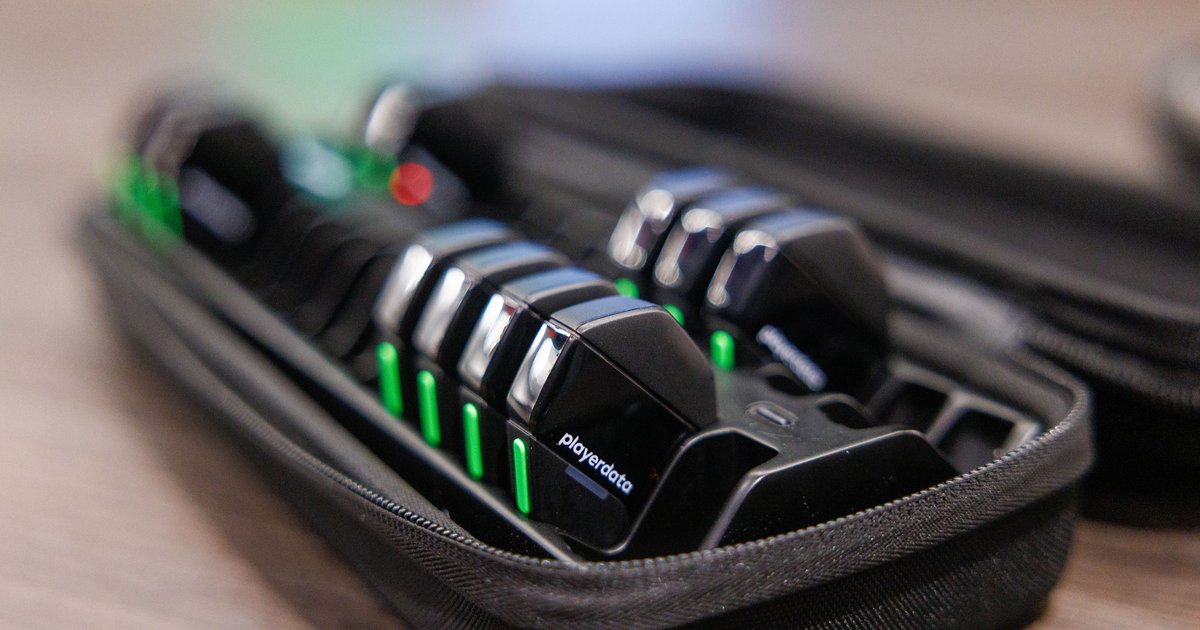
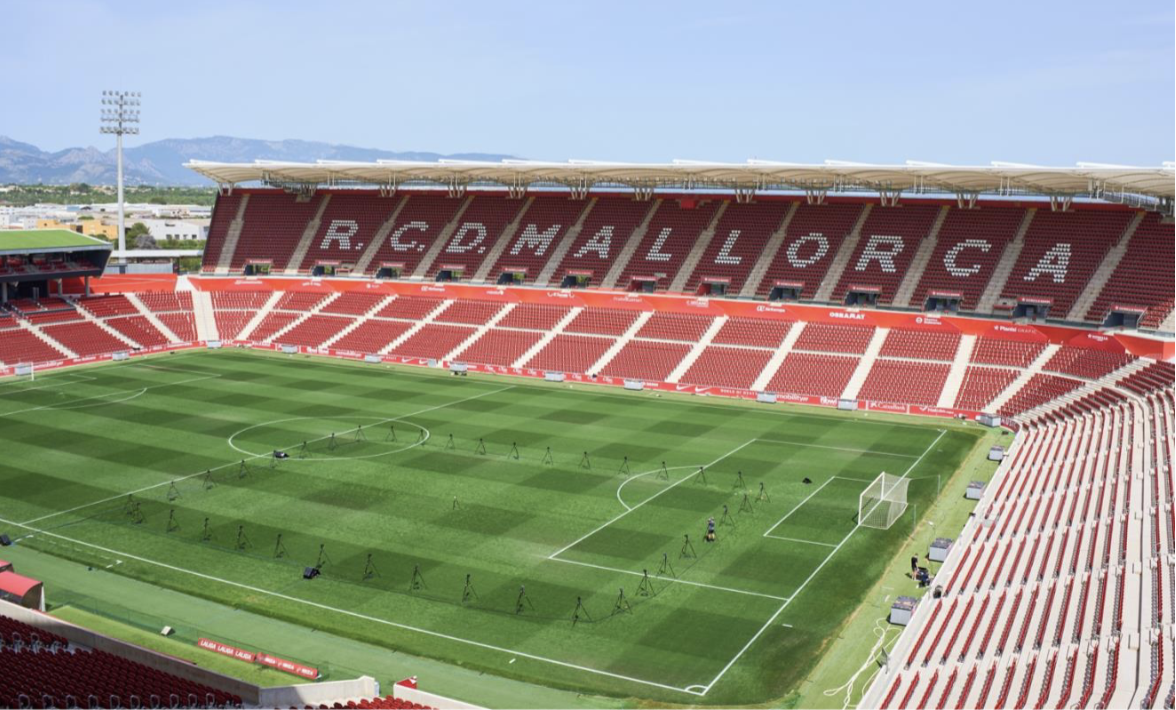
There is a meaningful distinction between performance metrics derived from camera footage and performance metrics derived from validated wearable GPS technology. Proper wearable GPS systems should be able to provide you with verification of independent accuracy testing. Single camera-derived metrics are unable to achieve third party verified standards. The highest resourced professional clubs often have highly sophisticated fixed optical systems built into their stadiums. This means 10+ cameras, and these systems are generally six figure investments. Yet, even those professional clubs still wear GPS vests for accurate data collection.
FIFA Quality certification exists as a standard for GPS tracking accuracy in professional player tracking. When evaluating any platform making data accuracy claims, ask whether those claims are backed by independent third-party validation and what standard that validation is measured against.
Verified data matters particularly for any club using performance metrics in player development decisions, fitness management, or recruitment contexts. A speed number derived from a camera is a different kind of number than a speed number derived from a validated GPS sensor, and the difference is significant.
7. The Value of Pairing GPS Data With Video
The most significant limitation of camera-only analysis is what it can't show you: objective data behind the film.
You can cut clips of shots, corners, and throw-ins. You can review defensive shape from the footage. What you can't see from camera footage alone is how fast players were moving when they were not near the ball. How quickly the defensive line recovered in transition. What the physical demand of a pressing sequence looked like from a load perspective.
GPS data paired with video changes that. When you know a player was moving at a specific speed during a specific moment in the footage, transitional play becomes analytically accessible in a way it simply is not from camera footage alone. The eye test can tell you a pressing sequence looked energetic. Data can tell you what the actual speeds were and how that compares to what your system demands.
As you evaluate camera options, consider whether the platform has any integration with validated performance data or whether it is designed as a standalone video system. The fuller the picture, the better the decisions.
Finding the Right Camera for Your Club
The right camera system for your club depends on your level, your budget, your coaching infrastructure, and how you intend to use the footage. A system that works for a professional academy may be unnecessarily complex for a recreational club. A system designed for recreational use may lack the accuracy and analytical depth a competitive club needs.
The questions in this guide give you the framework to evaluate any system honestly without relying on marketing claims alone.
Frequently Asked Questions
What is the best camera for a soccer club?
The best soccer club camera records the full field at high resolution, works in all weather conditions, can be set up by a single coach in under five minutes, supports training and match recording, and generates accurate automated clips without requiring manual review.
How do I know if a soccer camera's automated clips are accurate?
Ask the vendor to demonstrate clip accuracy with real match footage involving players with similar jersey colors. Check specifically whether the system correctly identifies which player is which in close-contact situations.
Do soccer cameras work indoors?
Not all soccer cameras work reliably in indoor facilities. Confirm the camera handles artificial lighting conditions before purchasing if your program uses indoor or domed facilities.
Learn more about PlayerData for soccer
See what GPS data can do for your soccer club
We'd love to show you what's possible with PlayerData.
Submit your information below to book a demo. We're ready when you are.
.png)