In today’s college basketball landscape, readiness is everything.
Games come fast. Travel is relentless. Rosters turn over. And the margin for error, especially at resource conscious programs, has never been smaller.
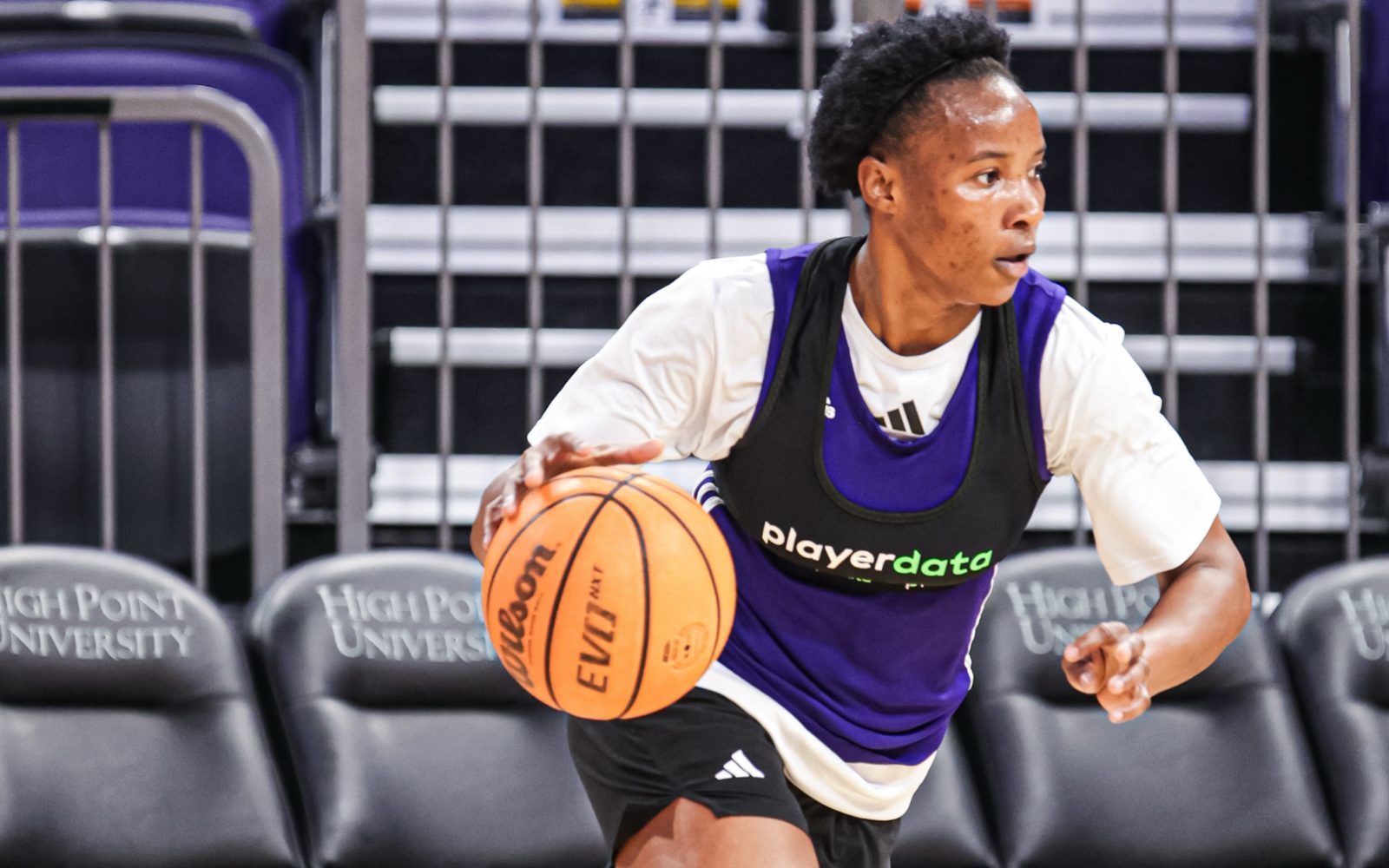
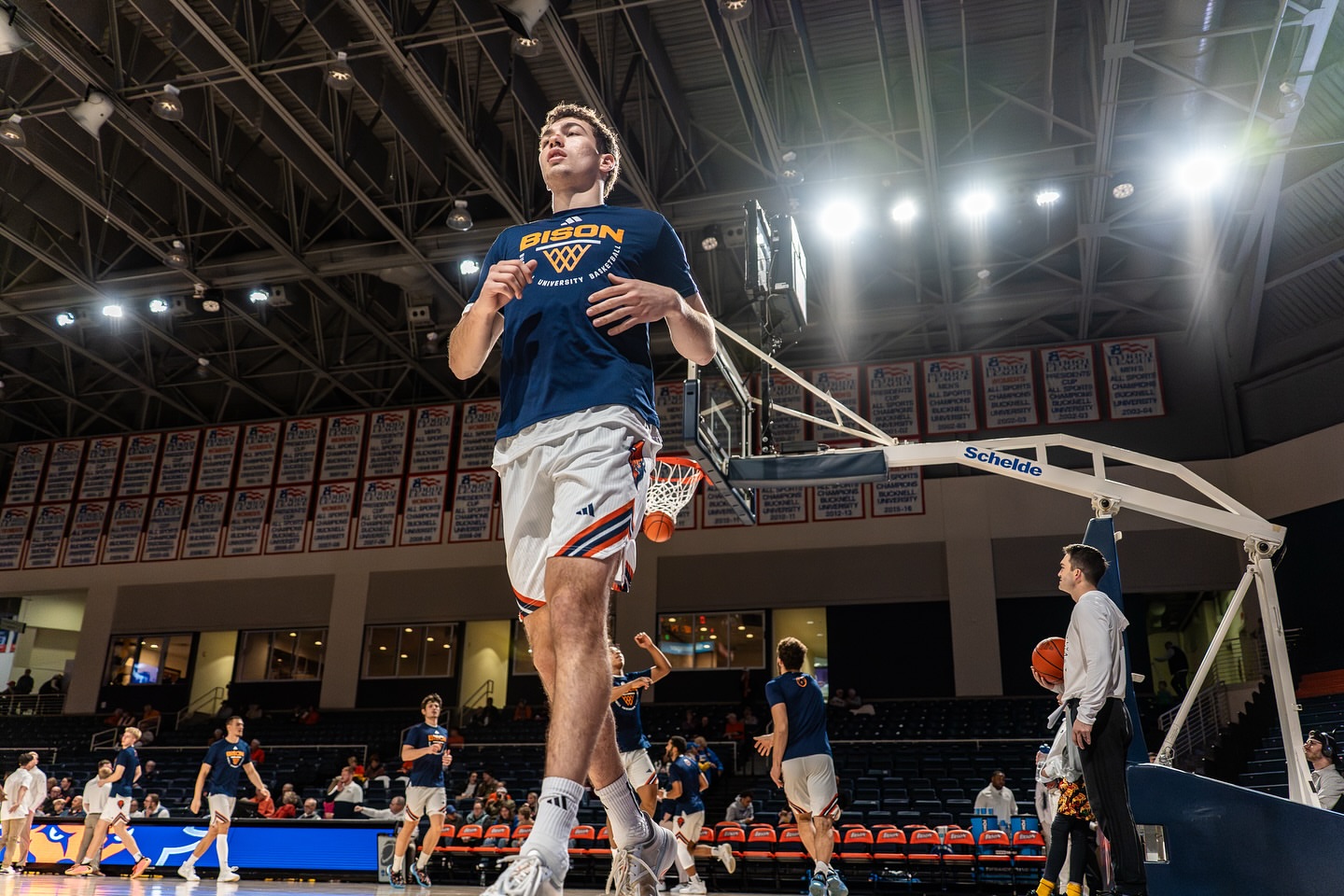
It’s essential for programs to keep players in shape, healthy, and engaged. This season, PlayerData’s wearable technology has become a key part of how Bucknell’s men’s and women’s basketball programs do exactly that.
From the Weight Room to the Bigger Picture
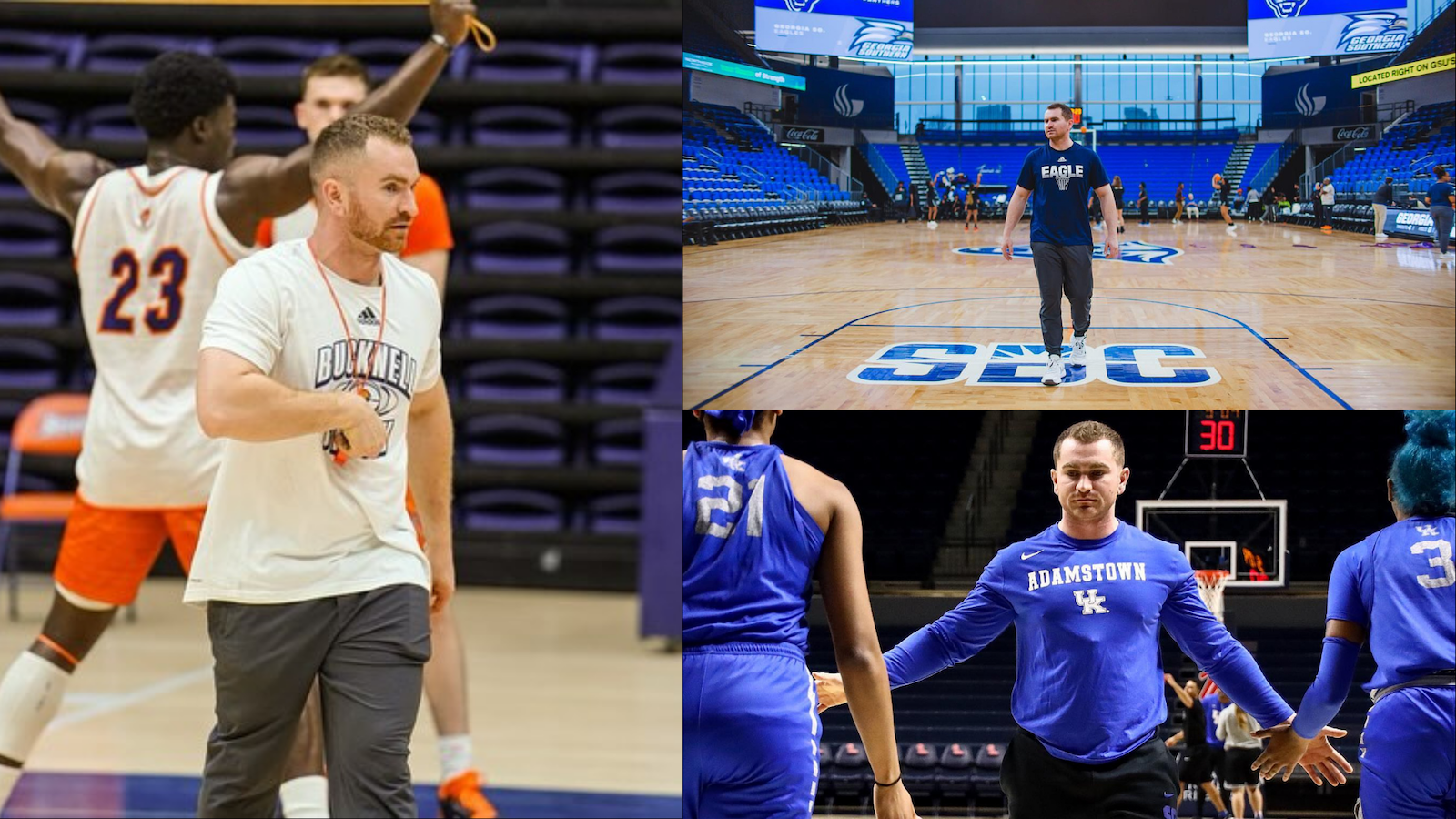
At Bucknell University, Head of Basketball Performance, Justin McKenna, supports both the men’s and women’s basketball programs. McKenna’s path into college basketball performance is a familiar one, a former multi-sport athlete who realized his future wasn’t in playing professionally, but in helping others be their best.
After graduating from Saint Joseph’s College of Maine, McKenna jumped straight into the deep end, landing an internship at Duke University. From there, stops at Kentucky, UT Arlington, and Georgia Southern shaped his understanding of high-level basketball environments before he arrived at Bucknell.
Those experiences helped build a modern view of performance, one that looks beyond sets and reps.
“Strength and conditioning is probably only 15–20% of my day,” he explains with a smile. “The other 80–85% is focused on recovery, nutrition, sleep, and performance data. All the things that surround performance and support our student-athletes.”
That holistic mindset is what ultimately led Bucknell to adopt PlayerData.
One Clear Mission: Keep Players Available
When asked to define his top-line goal as a strength and conditioning coach, McKenna didn't hesitate.
“Keep our players as healthy as possible throughout the year,” he says. “Do everything I can to make sure they’re on the court and at their best.”
During conference play, Bucknell often has two-games per week, long bus trips, and some players logging heavy minutes. The grind is real.
“This time of year, it’s about recovery and regeneration,” McKenna says. “If you don’t manage it objectively, you can run into trouble during the most critical phase of the season.”
The Right Choice for Bucknell
McKenna brings previous experience with wearable technology from earlier stops, and after a few conversations and demos, Bucknell implemented PlayerData in November right at the onset of game play.
“I honestly wasn’t sure we’d have access to this level of technology here,” McKenna admits. “But PlayerData made it realistic.”
Ease of use mattered. With no graduate assistant or dedicated sport scientist, McKenna personally manages the system day-to-day.
“The workflow fits seamlessly into our routine,” he says.
The Metrics That Matter Most
Rather than getting lost in numbers, McKenna focuses on a handful of metrics that directly inform decisions:
- Acceleration Load
- Acceleration Load per Minute
- High-Intensity Accelerations
- High-Intensity Decelerations
“These tell me what we’re actually doing with our time on our feet,” he explains.
Acceleration load per minute, in particular, has become a powerful indicator of intensity, and even a cultural tool.
“We started a weekly leaderboard,” McKenna says. “Average acceleration load per minute across the week. Essentially, who worked the hardest when on the court.”
What surprised him most? The winners haven’t always been guards.
“So far, it’s been wings, point guards, centers. It’s spread out. It’s interesting, because the results reinforce that our style of play and our culture are coming through in the data.”
Smarter Practices, Better Conversations
Beyond validating style of play, the data has changed how Bucknell plans and evaluates practice.
Within the PlayerData app, McKenna is able to segment practice by drill or activity. This means he knows with certainty which drills are high intensity and which are low intensity.
“This has been huge for us,” he says. “Now, we know exactly where the stress is coming from.”
That clarity allows the staff to design weekly training with purpose, stacking high-intensity drills on the right days, and ensuring recovery-focused sessions actually stay low.
“The practice plan might say 90 minutes,” McKenna explains. “But the data tells the real story.”
.png)
Buy-In from the People Who Matter Most
Perhaps the biggest impact has been with players themselves.
“The data gives them a ‘why,’” McKenna explains. “If I just say, ‘You played 39 minutes last night, go get treatment,’ that’s one thing. When I show them the numbers, it actually clicks.”
Players now approach recovery with more intent, scheduling treatment, getting better quality sleep, prioritizing hydration, and understanding how stress accumulates across the week.
“They see it and say, ‘Wow. That’s crazy,’” McKenna says. “Now, they’re becoming more intentional and proactive with their recovery.”
Efficiency in an Evolving Coaching World
In today’s college basketball landscape, coaches are pulled in every direction: recruiting, NIL, transfer portal, academics, compliance, scouting, and travel often all at once.
With the insights provided by PlayerData, Bucknell can operate more efficiently within those constraints.
“We don’t have time to overanalyze,” McKenna says. “We need clear information that helps us make decisions quickly.”
The system’s ease of use has been critical. Units are simple to manage, data syncs easily, and insights are accessible from McKenna’s phone.
McKenna can quickly assess workload and communicate key takeaways to the coaching staff.
McKenna participates in weekly staff meetings, helping align practice plans with recent workloads and upcoming demands.
“It keeps everyone on the same page,” he says. “And it helps us be more intentional with our practices.”
A Tool for the Future of Basketball Performance
McKenna believes wearable technology will be standard in basketball.
“This is where the world of basketball performance is going,” he says. “It’s one-on-15. You can set norms. Then you can individualize.”
As Bucknell looks ahead to offseason planning, PlayerData will continue to play a role ensuring they achieve their desired goals throughout the different phases of the year.
“At the end of the day,” McKenna says, “It’s about knowing your standards and maintaining them. The data ensures we’re doing the right things to help our athletes reach their full potential.”
DOWNLOAD A FREE BASKETBALL EBOOK:
.jpg)
Interested in learning more about how PlayerData could help your basketball program?
Submit your information in the form below.

.png)