Somewhere in Maine: Bridgton Academy's Experience with Elite Athlete Tracking

Discover why Bridgton Academy brought elite athlete tracking to prep school basketball and how the players ran the whole system themselves.

The most beautiful gym you’ve never seen is in a small town in western Maine. Wood grain. Compact. Dramatic ceiling, more akin to the shape of a 1970s hockey rink than a basketball court. The town is quiet. The setting is remote. But within the walls of this gym, future Division I basketball stars get after it every day. This is Bridgton Academy.

Always at the forefront of player development, this past season Brad West, the strength and conditioning coach, became amongst the first in the world to introduce PlayerData’s indoor system to the Bridgton Academy basketball program. And the way it happened is not the story you'd expect.
A Dream He Had Given Up On

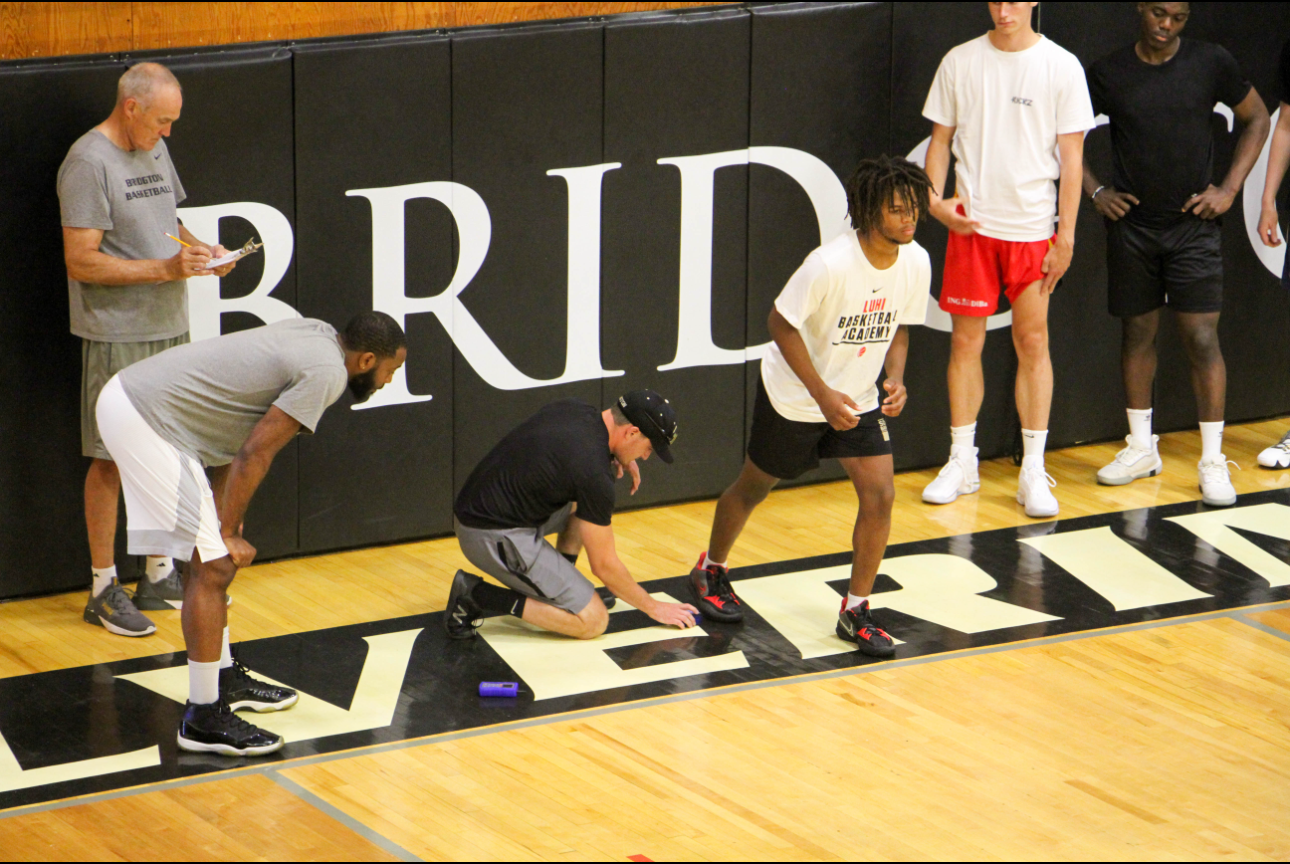
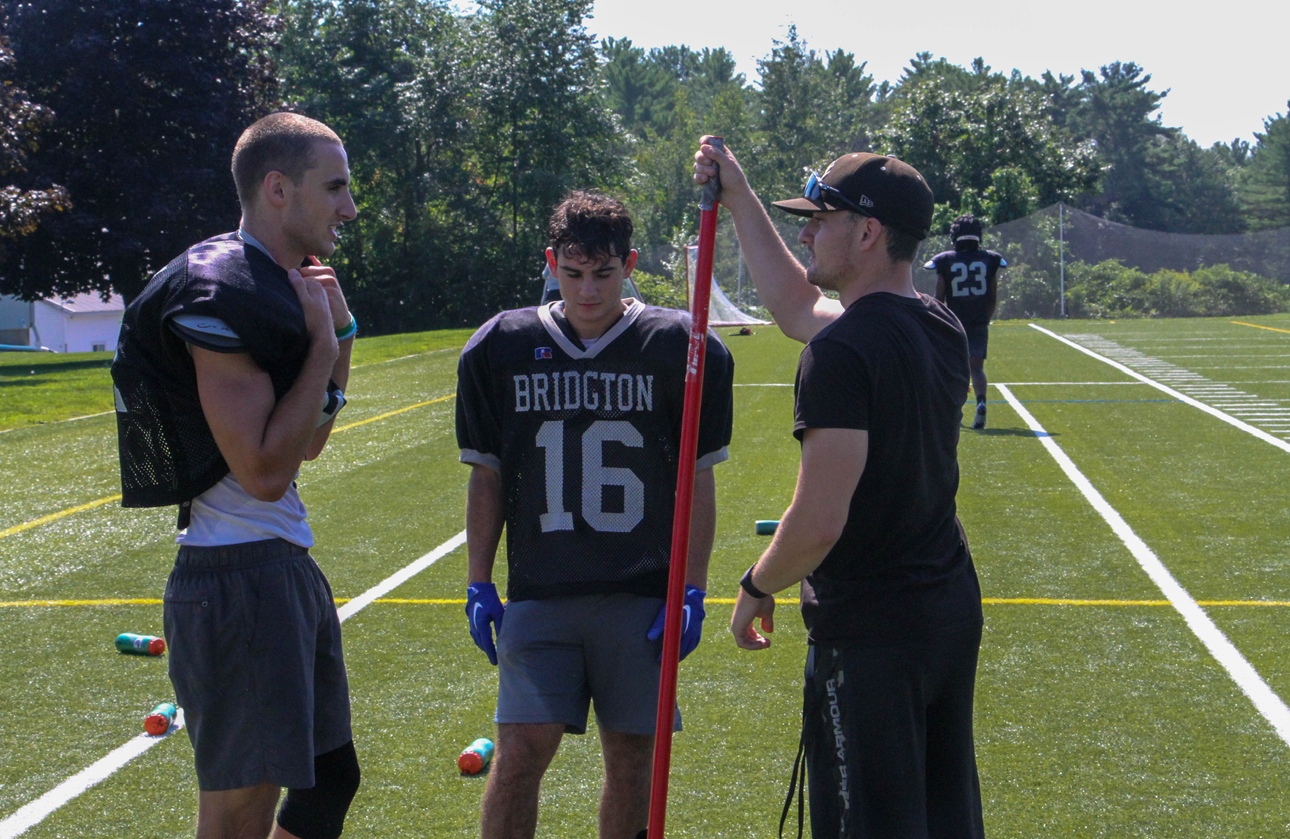
Brad West arrived at Bridgton Academy in August 2020 as an intern, the first school to reopen after the pandemic shut everything down. He stayed. Six years later, he is the sole strength and conditioning coach for six teams: basketball, hockey, soccer, lacrosse, football, and baseball. Nearly every student at Bridgton is an athlete, and the basketball program punches well above its weight class.

In his role at Bridgton, Brad brings serious credentials. He completed a master's degree while working full-time at Bridgton, and completed an internship at the University of Southern California, where he ran GPS tracking for the soccer program under legitimate sports scientists. That experience showed him what this technology can do. 

It was a valuable learning experience for him, but also one that he assumed was reserved for top level D1 programs.

"I kind of gave up on my GPS dreams," he says. "I realized I'm at a prep school. The resources just obviously aren't the same as USC."

This past fall though, that all changed when his head basketball coach, the late great Whit Lesure came to him with a question. If you know the prep school hoops scene, you undoubtedly know Whit Lesure and hold him in the highest regard. Whit was an ultimate competitor who had built Bridgton's program into one of the most respected in the nation over a 29-year tenure.

While Whit came across as old school, he was relentlessly committed to staying relevant in his approach with his players and his program. Whit happened to come across PlayerData. He thought it seemed interesting, and wanted to know if Brad thought it was worth using.

"I would never have thought he would want to utilize this technology," Brad says with a smile. "And then he saw my eyes light up as soon as he mentioned it, and it was good from there."
One Coach. Six Teams. Zero Complications.

What happened next is a testament to two things: the culture of the Bridgton basketball program, and how simple the system turned out to be.

Brad West manages six teams largely on his own. During a typical day in season, he can be working with football in the weight room while basketball is practicing upstairs. Time is the one thing he never has enough of. So when PlayerData came in, the question wasn't just whether it would be useful, it was whether it would actually work in a real-world environment where a single strength coach is spread across an entire athletic department of 17 and 18 year olds.

The answer was yes. How? Well, the players ran it themselves.

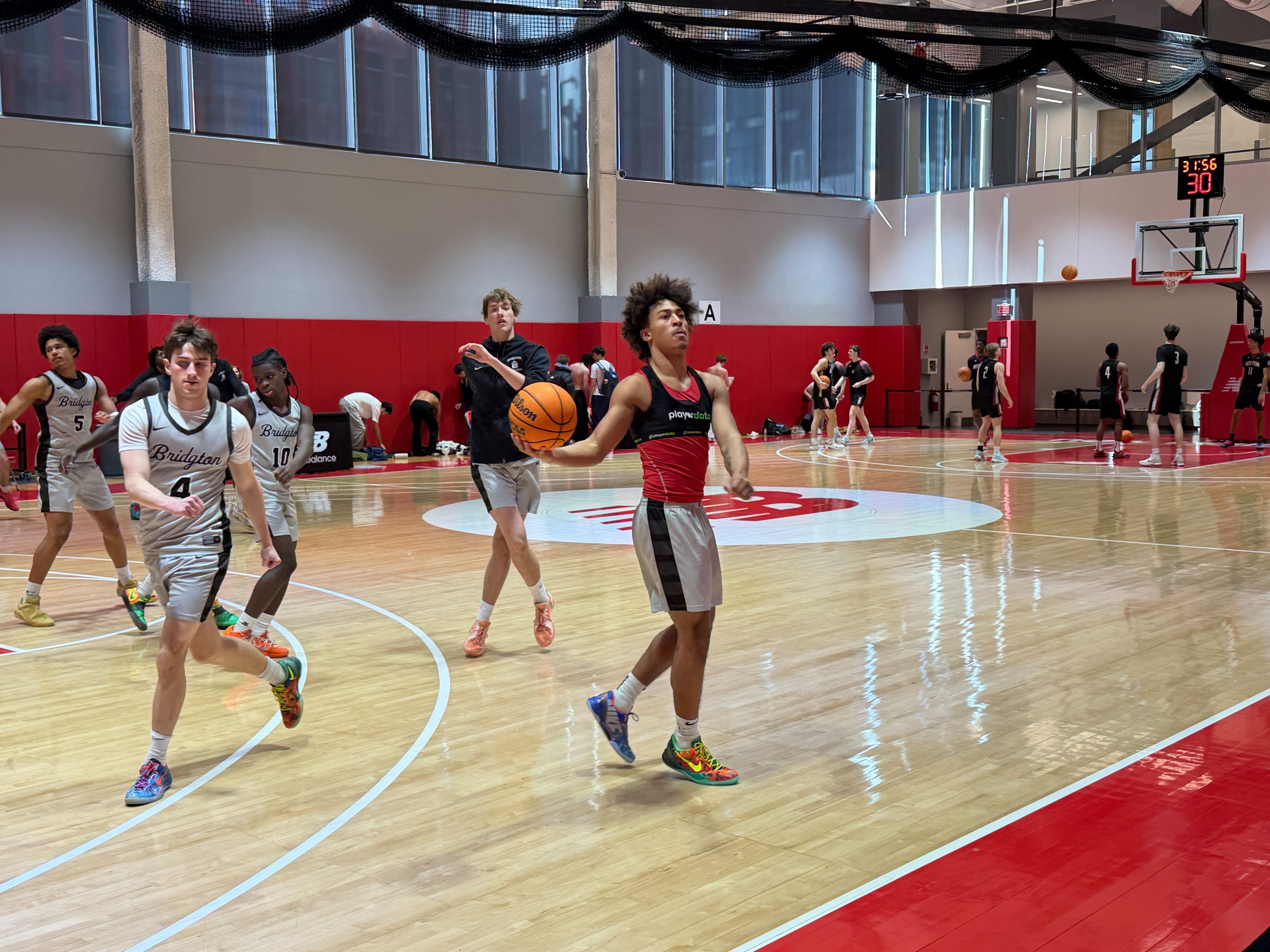
Bridgton's basketball captains took ownership of the system entirely. Every day, they charged the units, distributed the vests, turned everything on, collected vests and units after practice, and made sure nothing got left behind. Thanks to PlayerData’s user flow, Brad would sync the data remotely, sometimes from wherever he happened to be working with another team. Once, he even forgot to start a session while he was tied up with football. He went back and started it after the fact. It worked.

"Handling the hardware itself has been very hands-off for me," he says. "I’m obviously hands on with the data, but having five teams back to back to back, as much as I would love to, I simply cannot be with basketball at all times."

He laughs telling the story. But it captures something real: the system is simple enough that a group of high school athletes can operate it independently, and flexible enough that a one-man performance department could use it effectively.

When asked how the players felt when he introduced the new technology, Brad admitted that one of their best shooters voiced concerns that the vest could potentially impact his shot. Brad's response was immediate. He pulled up a photo of Davidson College alum Steph Curry wearing a vest in training. End of conversation. He added that nobody complained about wearing the vests for the whole season, the players forget they’re even wearing them.
What the Data Actually Did

Brad's approach to the data was deliberate and practical. He tracked acceleration load, acceleration load per minute, high accelerations, and jumps. He built weekly load targets and mapped a linear progression through the season: 8,000 average load, then 10,000, then 12,000, then a pullback. When players got hurt, the data told him exactly where to bring them back.

One player dealt with tendon flare-ups at a critical point in the season. Brad used his jump data to manage the recovery, dropping his load, monitoring the response, adjusting in real time. The player stayed available.

"I knew that these guys could handle it," Brad says of his two primary guards, who were playing close to 40 minutes a game at high intensity late in the year. "I had seen the data for months on end. I saw that they often got up to high acceleration loads, and I knew them as athletes that they were staying healthy and recovered quickly."

The data also started shaping practice. As coaches understood what high acceleration loads looked like in context, they adjusted lighter days accordingly, fewer explosive efforts, more low-intensity volume. It wasn't a dramatic overhaul. It was a shift in how decisions got made. Less guessing. More clarity. This was essentially important in a dramatic season where Coach Lesure unexpectedly passed away and the team needed to keep going. 

"PlayerData just allowed me not to guess," Brad says. "I didn't have to guess this year."

Every player was available to play by the end of the season. Brad calls that his greatest source of pride from the year.

The Next Level, Right Now

Bridgton's basketball program produces Division I players year after year. Players come from all over the world. This season's starting five were all international. They go to programs across college basketball, chasing scholarships and careers.

For Brad, the data is already starting to bridge that conversation. He can show players exactly where their load sits relative to what a Division I practice demands. He can point to a teammate who earned a D1 scholarship and say: this is what his numbers look like. Now here's where you are, and here's where you need to get to. And then help get that player to the next level in a smart way.

It is not a recruiting pitch. It is a development roadmap in the NIL/transfer portal era where the appetite for top level college coaches to recruit prep school aged players is dwindling.

"Strength coaches see more than head coaches do," Brad says. "I wish more college coaches would reach out to us."

He pauses.

"Culture starts in the weight room. You really learn who a player is by seeing how they work in practice, in conditioning, in the training room."

At Bridgton, they now have data to back that up.

Interested in learning more about how PlayerData could help your program?

Submit your information in the form below.

Somewhere in Maine: Bridgton Academy's Experience with Elite Athlete Tracking

March 30, 2026
Bridgton PlayerData

The most beautiful gym you’ve never seen is in a small town in western Maine. Wood grain. Compact. Dramatic ceiling, more akin to the shape of a 1970s hockey rink than a basketball court. The town is quiet. The setting is remote. But within the walls of this gym, future Division I basketball stars get after it every day. This is Bridgton Academy.

Always at the forefront of player development, this past season Brad West, the strength and conditioning coach, became amongst the first in the world to introduce PlayerData’s indoor system to the Bridgton Academy basketball program. And the way it happened is not the story you'd expect.

A Dream He Had Given Up On

Brad West arrived at Bridgton Academy in August 2020 as an intern, the first school to reopen after the pandemic shut everything down. He stayed. Six years later, he is the sole strength and conditioning coach for six teams: basketball, hockey, soccer, lacrosse, football, and baseball. Nearly every student at Bridgton is an athlete, and the basketball program punches well above its weight class.

In his role at Bridgton, Brad brings serious credentials. He completed a master's degree while working full-time at Bridgton, and completed an internship at the University of Southern California, where he ran GPS tracking for the soccer program under legitimate sports scientists. That experience showed him what this technology can do. 

It was a valuable learning experience for him, but also one that he assumed was reserved for top level D1 programs.

"I kind of gave up on my GPS dreams," he says. "I realized I'm at a prep school. The resources just obviously aren't the same as USC."

This past fall though, that all changed when his head basketball coach, the late great Whit Lesure came to him with a question. If you know the prep school hoops scene, you undoubtedly know Whit Lesure and hold him in the highest regard. Whit was an ultimate competitor who had built Bridgton's program into one of the most respected in the nation over a 29-year tenure.

While Whit came across as old school, he was relentlessly committed to staying relevant in his approach with his players and his program. Whit happened to come across PlayerData. He thought it seemed interesting, and wanted to know if Brad thought it was worth using.

"I would never have thought he would want to utilize this technology," Brad says with a smile. "And then he saw my eyes light up as soon as he mentioned it, and it was good from there."

One Coach. Six Teams. Zero Complications.

What happened next is a testament to two things: the culture of the Bridgton basketball program, and how simple the system turned out to be.

Brad West manages six teams largely on his own. During a typical day in season, he can be working with football in the weight room while basketball is practicing upstairs. Time is the one thing he never has enough of. So when PlayerData came in, the question wasn't just whether it would be useful, it was whether it would actually work in a real-world environment where a single strength coach is spread across an entire athletic department of 17 and 18 year olds.

The answer was yes. How? Well, the players ran it themselves.

Bridgton's basketball captains took ownership of the system entirely. Every day, they charged the units, distributed the vests, turned everything on, collected vests and units after practice, and made sure nothing got left behind. Thanks to PlayerData’s user flow, Brad would sync the data remotely, sometimes from wherever he happened to be working with another team. Once, he even forgot to start a session while he was tied up with football. He went back and started it after the fact. It worked.

"Handling the hardware itself has been very hands-off for me," he says. "I’m obviously hands on with the data, but having five teams back to back to back, as much as I would love to, I simply cannot be with basketball at all times."

He laughs telling the story. But it captures something real: the system is simple enough that a group of high school athletes can operate it independently, and flexible enough that a one-man performance department could use it effectively.

When asked how the players felt when he introduced the new technology, Brad admitted that one of their best shooters voiced concerns that the vest could potentially impact his shot. Brad's response was immediate. He pulled up a photo of Davidson College alum Steph Curry wearing a vest in training. End of conversation. He added that nobody complained about wearing the vests for the whole season, the players forget they’re even wearing them.

What the Data Actually Did

Brad's approach to the data was deliberate and practical. He tracked acceleration load, acceleration load per minute, high accelerations, and jumps. He built weekly load targets and mapped a linear progression through the season: 8,000 average load, then 10,000, then 12,000, then a pullback. When players got hurt, the data told him exactly where to bring them back.

One player dealt with tendon flare-ups at a critical point in the season. Brad used his jump data to manage the recovery, dropping his load, monitoring the response, adjusting in real time. The player stayed available.

"I knew that these guys could handle it," Brad says of his two primary guards, who were playing close to 40 minutes a game at high intensity late in the year. "I had seen the data for months on end. I saw that they often got up to high acceleration loads, and I knew them as athletes that they were staying healthy and recovered quickly."

The data also started shaping practice. As coaches understood what high acceleration loads looked like in context, they adjusted lighter days accordingly, fewer explosive efforts, more low-intensity volume. It wasn't a dramatic overhaul. It was a shift in how decisions got made. Less guessing. More clarity. This was essentially important in a dramatic season where Coach Lesure unexpectedly passed away and the team needed to keep going. 

"PlayerData just allowed me not to guess," Brad says. "I didn't have to guess this year."

Every player was available to play by the end of the season. Brad calls that his greatest source of pride from the year.

The Next Level, Right Now

Bridgton's basketball program produces Division I players year after year. Players come from all over the world. This season's starting five were all international. They go to programs across college basketball, chasing scholarships and careers.

For Brad, the data is already starting to bridge that conversation. He can show players exactly where their load sits relative to what a Division I practice demands. He can point to a teammate who earned a D1 scholarship and say: this is what his numbers look like. Now here's where you are, and here's where you need to get to. And then help get that player to the next level in a smart way.

It is not a recruiting pitch. It is a development roadmap in the NIL/transfer portal era where the appetite for top level college coaches to recruit prep school aged players is dwindling.

"Strength coaches see more than head coaches do," Brad says. "I wish more college coaches would reach out to us."

He pauses.

"Culture starts in the weight room. You really learn who a player is by seeing how they work in practice, in conditioning, in the training room."

At Bridgton, they now have data to back that up.

Interested in learning more about how PlayerData could help your program?

Submit your information in the form below.