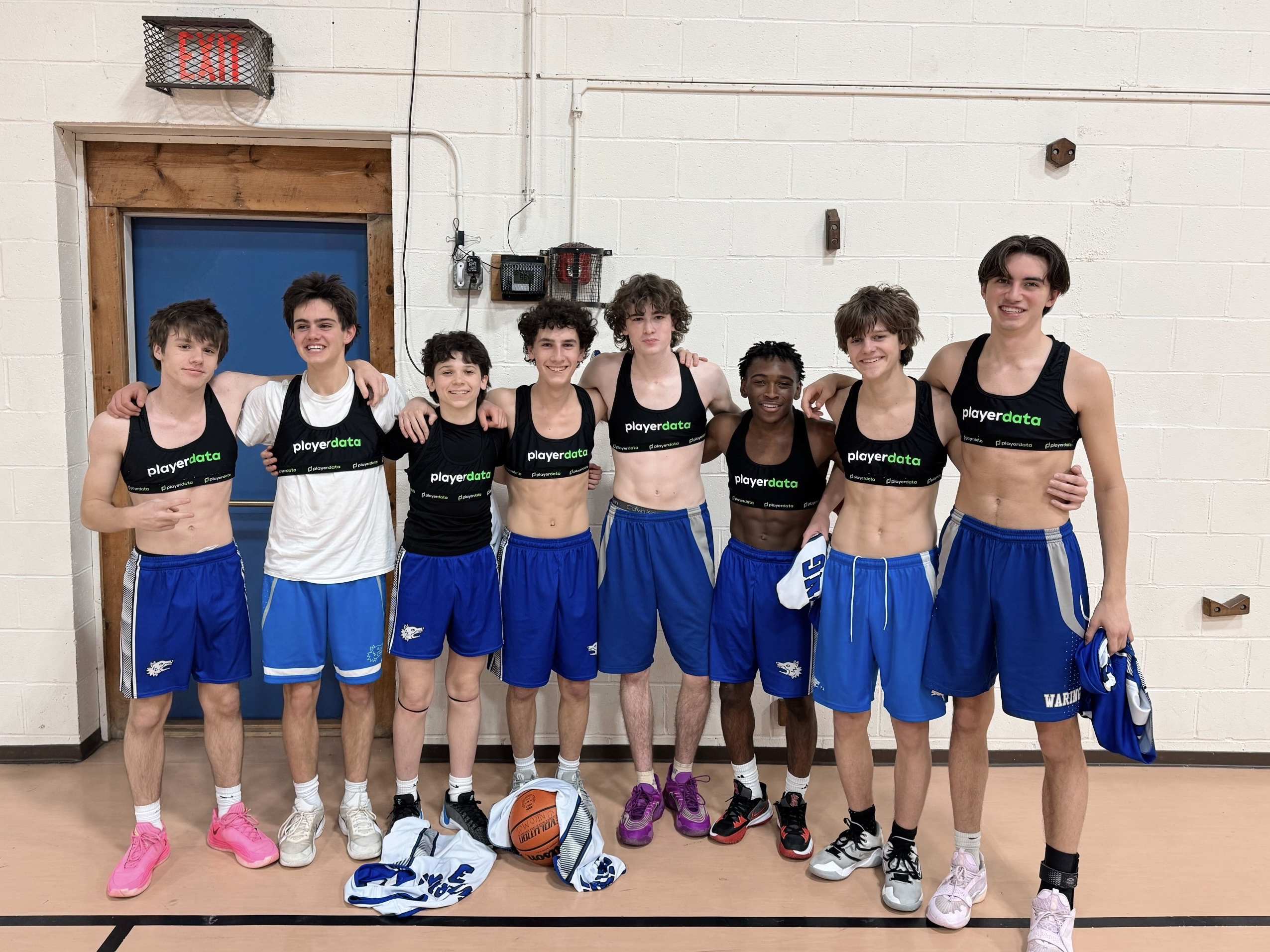
For years, coaches at the Waring School in Beverly, Massachusetts solely relied on observational information to evaluate performance: presumed intensity, body language, and results on the scoreboard. While feel and intuition will always be a core component of coaching, Waring’s Director of Athletics Mike Kersker believed there was an opportunity to give student-athletes something more concrete to illustrate the full picture.
Something they could see for themselves.
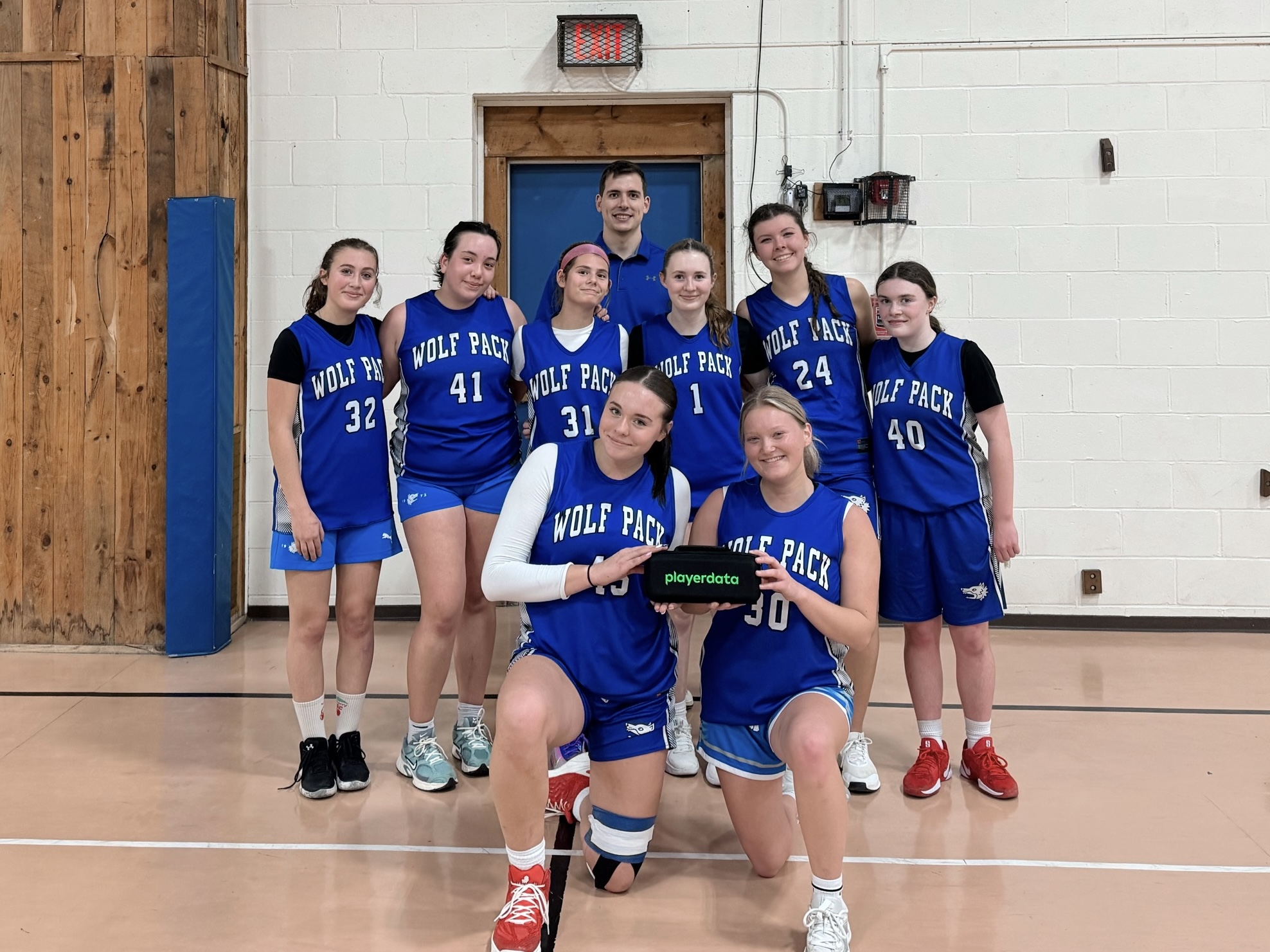
At the start of this year, the Waring School began using PlayerData with its boys and girls basketball teams. Almost immediately, Kersker noticed a shift, not just in how players performed, but in how they thought about performance and frankly, how they felt about themselves.
“There’s been a psychological boost,” Kersker said. “It’s keeping our players on their toes a bit more, thinking differently about their overall output and efficiency. It gives us a baseline to better, not just in words but in numbers.”
From Feedback to Ownership
For Kersker, the motivation behind adopting PlayerData wasn’t about chasing competitive advantages or overwhelming athletes with metrics. It was about allowing athletes to see their own personal improvement.
“I saw it as another way to help motivate players and show them they’re making gains,” he said.
Since introducing the technology, players have become increasingly engaged with their own data. Postgame routines now include athletes asking to review their numbers as soon as the game ends, comparing recent performances to previous ones and asking informed questions about improvement.
That curiosity, Kersker says, is the real win.
“It shows them that we’re putting a premium on helping them,” he said. “Not just asking for effort, but giving them tools that actually help them see what they are accomplishing.”
Making the Invisible Visible
One of the most impactful areas so far has been PlayerData’s jumping metrics. For two athletes in particular, seeing objective data around jump volume and intensity has changed how they approach the game.
“Showing the importance of jumping has helped us get into fast-break situations quicker and improve defensive efficiency,” Kersker explained. “It’s given us a new way to talk about movement and effort that players can immediately connect to.”
For a school new to performance data, these insights have opened doors to better conversations between coaches and athletes that are rooted in numbers rather than assumptions.
“We’re still early,” Kersker acknowledged. “We’re figuring out how data best suits each team and each individual. It’s not one-size-fits-all. But even now, it’s helping coaches frame performance discussions in a new, more productive way.”
Support That Matches the Technology
Adopting new technology can come with a learning curve, especially for programs just beginning to explore data-driven approaches. For Waring, having consistent support from PlayerData has been critical.
“Any time I have a question, the support line always has someone picking up,” Kersker said. “It’s like what customer service used to be before email.”
That accessibility has made it easier for the school to focus on learning and applying insights, rather than troubleshooting logistics.
Big League Tools, Real World Access
What stood out to Kersker early on was PlayerData’s commitment to democratizing performance tracking. Because of PlayerData, Waring has access to the same tools previously only reserved for elite organizations and the pros.
PlayerData works with organizations such as U.S. Soccer, Vanderbilt University men’s basketball, Crystal Palace FC, IMG Academy, UNC soccer, and the Houston Astros. This fact is not lost on Kersker, and it’s an appreciated element of what PlayerData provides.
“Making this technology accessible to programs where administrators and coaches can manage best practices is huge,” he said. “Financially and philosophically, it’s a great fit for high school and college programs.”
Looking ahead, Waring plans to expand PlayerData usage to soccer and lacrosse, building on the early success seen in basketball.
Building Better Conversations Around Development
For Kersker, the biggest value of PlayerData isn’t the numbers themselves, it’s what those numbers unlock.
“I believe using data in the youth sports market could be a game changer,” he said. “If PlayerData continues partnering with schools and clubs to educate parents and coaches on best practices, it could be incredibly meaningful for long-term player development.”
At The Waring School, PlayerData hasn’t replaced coaching instincts or effort. It’s enhanced them, giving athletes clear feedback, boosting their relationships with the coaches, and reinforcing a simple message: their development matters.
Sometimes, seeing the work makes all the difference.
DOWNLOAD A FREE BASKETBALL EBOOK:
.jpg)

Interested in learning more about how PlayerData could help your program?
Submit your information in the form below.

.png)