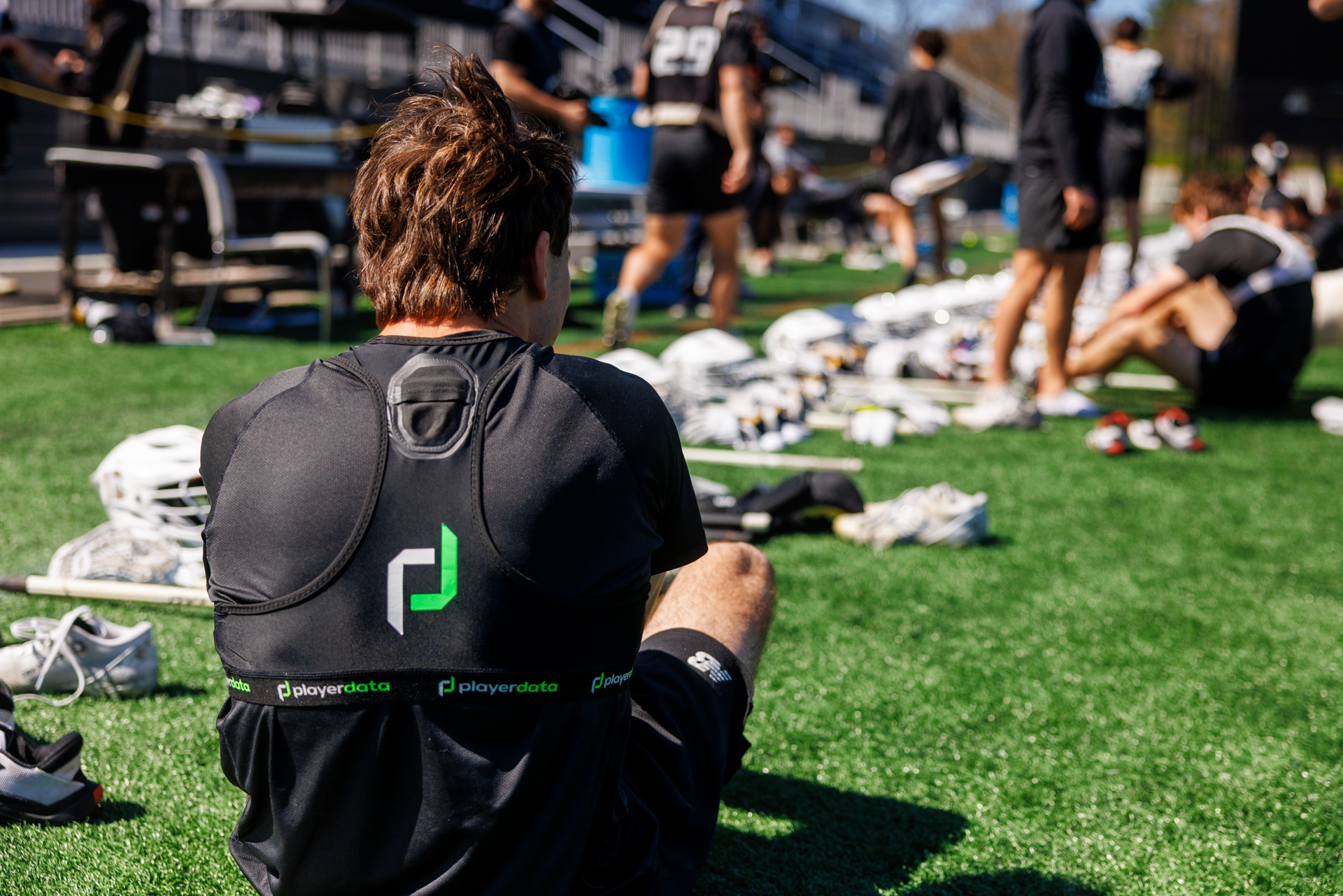
Lacrosse is one of the fastest and most physically demanding sports in the world. Players cover miles per game at varying intensities, make hundreds of explosive direction changes, and absorb physical contact across a schedule that can involve multiple games per week at the highest levels of competition.
Despite those demands, GPS tracking has been slower to penetrate lacrosse than sports like soccer and football. That is changing. College programs, high school powerhouses, and elite club organizations are adopting GPS tracking technology and discovering what their counterparts in other sports have known for years: objective physical data changes how you develop athletes, manage health, and prepare for competition.
This guide covers what to look for when choosing a GPS tracker for a lacrosse program — what the most important evaluation criteria are and what separates systems that work in real lacrosse environments from those that look good in a product demonstration.
Why Lacrosse Programs Are Adopting GPS Tracking Now
Several factors are driving GPS adoption in lacrosse simultaneously.
The physical demands of the sport are increasingly understood. Lacrosse at the college and elite high school level is faster than it has ever been. Transition offense has become central to competitive lacrosse, generating repeated high-speed running efforts that place significant demands on athletes who need to be physically prepared for them across a full season.
The technology has become accessible. GPS systems that previously required professional budgets and dedicated sport science staff to operate are now available at price points that work for high school athletic departments and club programs — and simple enough that a single coach can manage them without technical support.
The results are visible. Programs that have adopted GPS tracking in lacrosse consistently report the same outcomes: better availability across a season, more intentional physical preparation, and coaching decisions grounded in objective information rather than feel.
What to Look for in a GPS Tracker for Lacrosse
Ease of operation. Lacrosse coaches typically don't have a dedicated sport science support. The GPS system needs to start with a tap on a phone, sync automatically when the session ends, and deliver data to the coaching staff before athletes leave the field. Systems that require a laptop, hard wiring, or technical expertise to operate will not be used consistently in a lacrosse environment.
Position-specific data. Lacrosse positions experience dramatically different physical demands within the same game. An attack player in a fast-paced transition offense covers different distance, hits different speeds, and makes different numbers of explosive efforts than a defensive midfielder or a goalie.
Portability. Lacrosse programs travel to away games, tournaments, and showcase events. The GPS system should be compact enough to fit in a backpack alongside coaching equipment without requiring dedicated transport cases or additional luggage.
Live data. The ability to see load accumulating in real time during practice changes how coaches make decisions. Rather than discovering after practice that a session was more or less demanding than intended, live data allows coaches to adjust intensity, pull back on volume, or push harder while there is still time to act.
Athlete app. The best GPS systems give athletes direct access to their own data on their phones after every session. When lacrosse players can see their speed, their distance, their high intensity output, and their workload score, they engage with their physical development in ways that coaching conversations alone cannot produce.
The Metrics That Matter Most for Lacrosse
Total distance gives coaches the baseline picture of physical volume in a session. In lacrosse, where position groups cover dramatically different amounts of ground, position-specific distance totals are more useful than team averages.
High intensity running distance tells coaches how much of a session was spent at speeds where real physical demand accumulates. Managing this across a demanding lacrosse schedule — particularly during tournament periods where teams may play multiple games in a weekend — is one of the most important load management challenges lacrosse programs face.
Sprint distance and top speed are particularly important in lacrosse because of the emphasis on transition in modern lacrosse systems. Athletes who are not regularly reaching high percentages of their maximum speed in practice will be slower in April than they were in February.
Accelerations and decelerations capture the explosive directional changes that define lacrosse movement — the cuts, the dodges, the defensive slides — in a way that distance alone cannot. This metric is often the most revealing for lacrosse programs because the physical demand it captures is almost entirely invisible to the coaching staff without data.
Workload score synthesizes the overall physical demand on each athlete into a single number relative to their individual baseline — giving coaches an at-a-glance picture of who is ready to be pushed and who needs protection heading into a game week.
Frequently Asked Questions
What is the best GPS tracker for lacrosse?
The best GPS tracker for lacrosse starts and syncs with a tap on a mobile phone without requiring a laptop, provides position-specific data, works indoors and outdoors, includes an athlete-facing app, offers live data during sessions, and is priced accessibly for lacrosse programs at the high school and college level. PlayerData is used by lacrosse programs alongside soccer, football, and basketball programs across the country.
Do GPS trackers work for lacrosse?
Yes. GPS trackers work for lacrosse and capture the metrics most relevant to lacrosse performance — high intensity running distance, sprint distance, top speed, accelerations and decelerations, and workload score. The position-specific variation in lacrosse makes GPS data particularly valuable because it reveals the dramatic differences in physical demand between attack, midfield, defense, and goalkeeping that are invisible from the sideline.
How accurate are GPS trackers for lacrosse?
GPS tracker accuracy varies by provider. The most reliable benchmark is independent third-party validation. PlayerData is a FIFA Preferred Provider for Player Tracking — independently validated to meet professional accuracy standards for player tracking applications. That validation applies to lacrosse use just as it does to soccer and football.
If you are evaluating GPS trackers for your lacrosse program and want to understand what the right solution looks like for your team, learn more about PlayerData.
See what GPS data can do for your lacrosse program
We'd love to show you what's possible with PlayerData.
Submit your information below to book a demo. We're ready when you are.

.png)