Fernando Bitelli is a Springfield College graduate fellow with previous experience in soccer, both as a former player and as an intern with the Chicago Fire MLS academy. As a player, he always wanted access to GPS data, and in his role with the Fire, he regularly handled PlayerData GPS trackers. He knows what high-intensity numbers look like in an elite environment.
Then he started tracking women's volleyball.
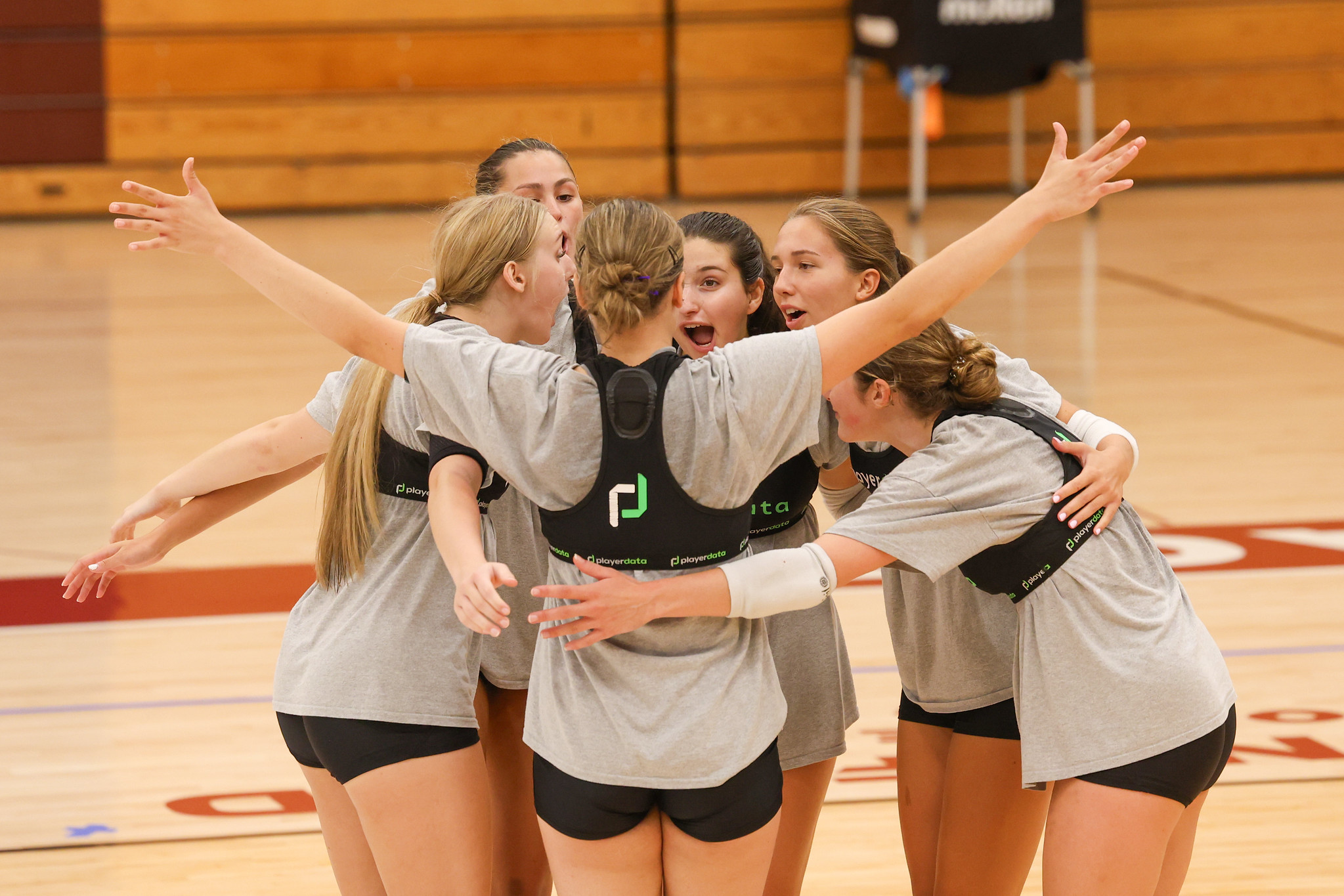
"The number of lateral accelerations that occur in volleyball is extremely high," Fernando said. "On high days, our top players are hitting hundreds of lateral accelerations. That volume of multidirectional work was not something I expected to see."
Fernando manages PlayerData across women's volleyball and women's lacrosse at Springfield College, a program with deep roots in both volleyball and the broader history of sport. The inventor of volleyball William G. Morgan was in fact a Springfield College graduate. Needless to say, the school takes the sport seriously and has built one of the most prolific programs in the NCAA Division III level.
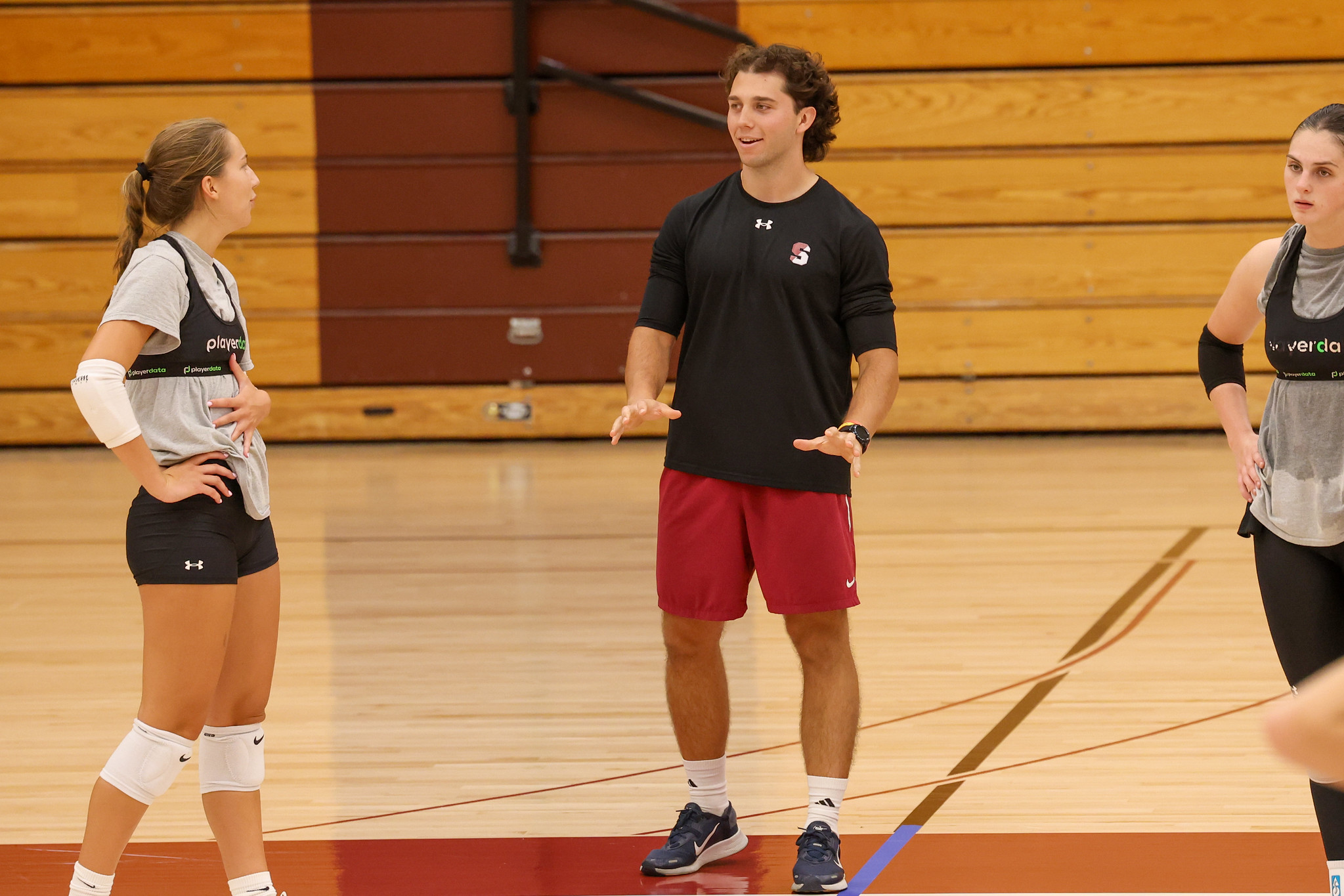
Fernando’s day-to-day with volleyball is methodical. He collects the pods after every practice, syncs the data, exports a custom CSV, builds reports in Excel, and sends a daily load report to the head coach before the next session.
The head coach, Moira Long, who has been coaching college volleyball for nearly 30 years, has a near flawless feel for how her players are working. Yet, she still seeks out the data.
"Whenever I don't send the report by a certain time, she asks for it," Fernando says smiling. "So, I have to believe she's taking it into consideration."
A veteran coach who knows her sport as well as anyone doesn’t need player tracking to tell her what she already knows, but she’s made the daily load report part of how she prepares. The data has earned a place in the process not because it replaces experience but because it adds a layer of precision.
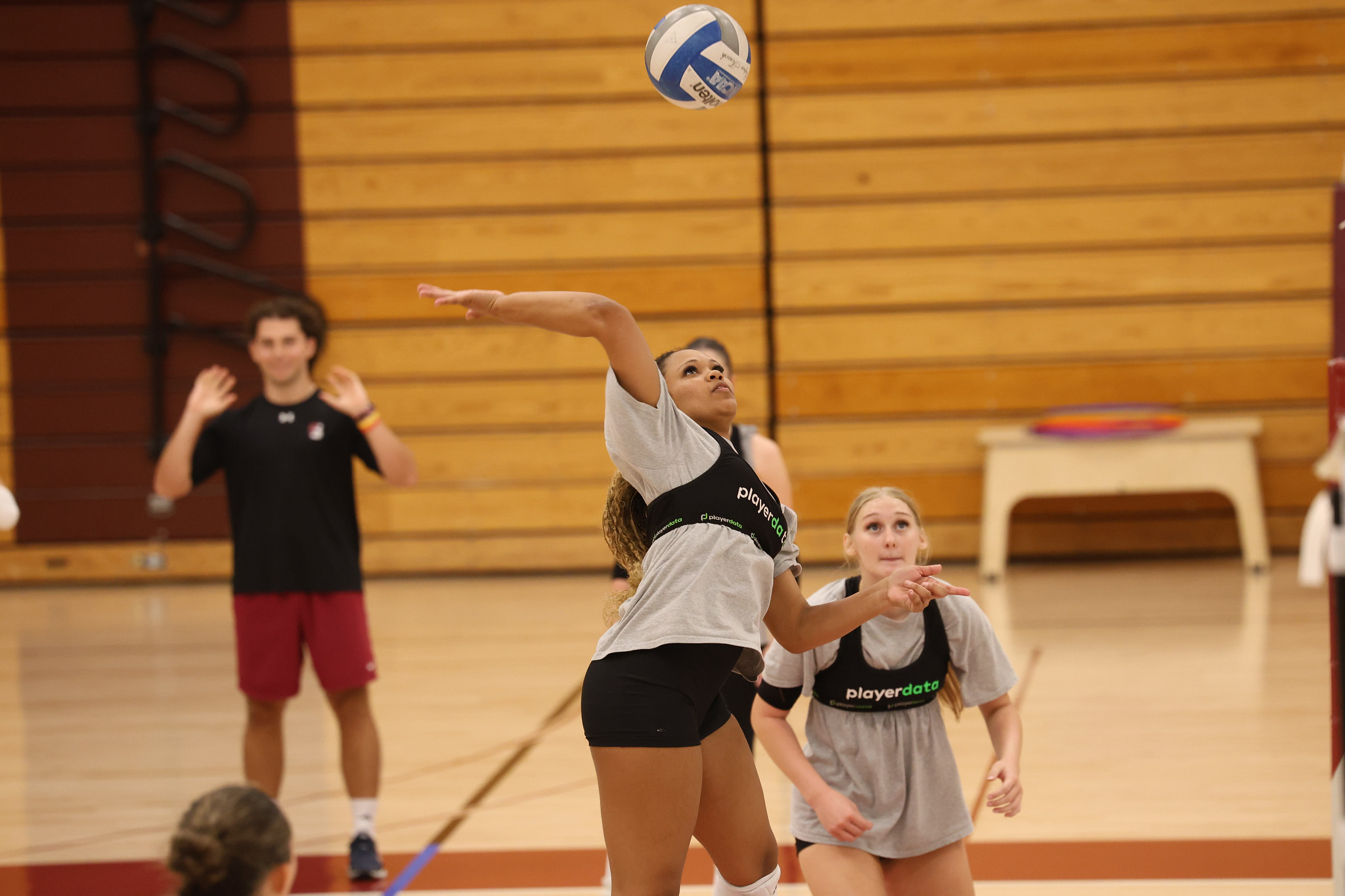
Equally revealing, is how differently volleyball loads compare to other sports. Unlike soccer, where game days represent the peak physical demand of the week, volleyball practice consistently outpaces game day in both volume and intensity.
"Our practices are way harder than the games, substantially harder," Fernando said. "In practice, every player is going up for a block, going for a kill, accelerating to dig. In a game, only one person goes for the kill on any given play. There are just way more opportunities for high-intensity actions in practice."
That understanding has directly influenced how Fernando programs the weight room. Coming off a high-volume practice or a two-day game stretch, he adjusts lift volume accordingly, adjusting total load to account for what athletes already absorbed on the court.
"I can see they're working hard, but without PlayerData I wouldn't be able to quantify their efforts," he said. "Now, I can gauge where we go with our lifts based on the data from the day or few days before."
His primary metrics are centered around volume and intensity. For volume, he looks at acceleration load and jumps. He plans to layer in banded jump zone tracking — classifying jumps as low, medium, or high intensity — once the roster stabilizes enough to establish reliable relative benchmarks using force plate data alongside D1 averages. This is a unique feature PlayerData offers volleyball teams, allowing coaches to track jump intensity based on each individual’s jumping ability. For example, a 16-inch jump from a 6-foot 3-inch tall blocker might be a high intensity jump for that player, whereas the same jump height may be a medium intensity jump for a smaller player.
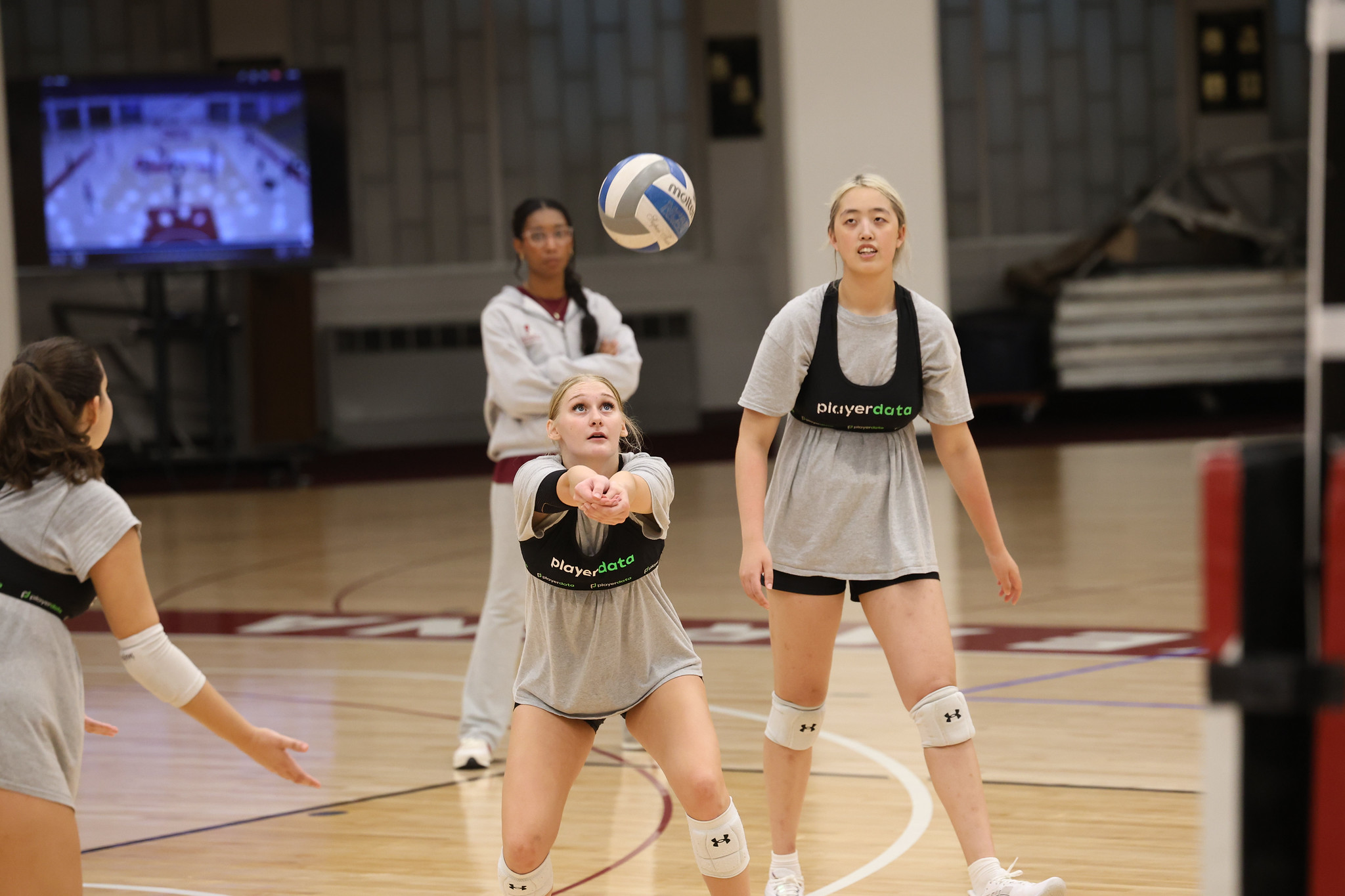
For intensity, he looks at accelerations, decelerations, and lateral accelerations. The value of tracking players in volleyball goes beyond the numbers. It changes what a performance coach can actually see.
"It’s important for coaches to see the big picture, without PlayerData I wouldn’t know what each session actually looks like for each player," he said.
After working with multiple GPS providers across different environments, Fernando's assessment of PlayerData comes down to something practical.
"I've gotten to work with other GPS companies and PlayerData has been the most simplistic and easiest to use with great support. Without PlayerData, I can see players working hard, but I can’t tell what that work means."
Ready to see what PlayerData can do for your program?
Whether you're college program, national team, or building out a club powerhouse, we'd love to show you what's possible with PlayerData.
Submit your information below to book a demo. We're ready when you are.
.png)